Loading…
Free shipping on all orders within Australia

Your cart is empty
Your machine. Your next trip. A practical route through packing, airport screening and the power questions to ask before you fly.
Five stops, from packing to plugging in.
 Home
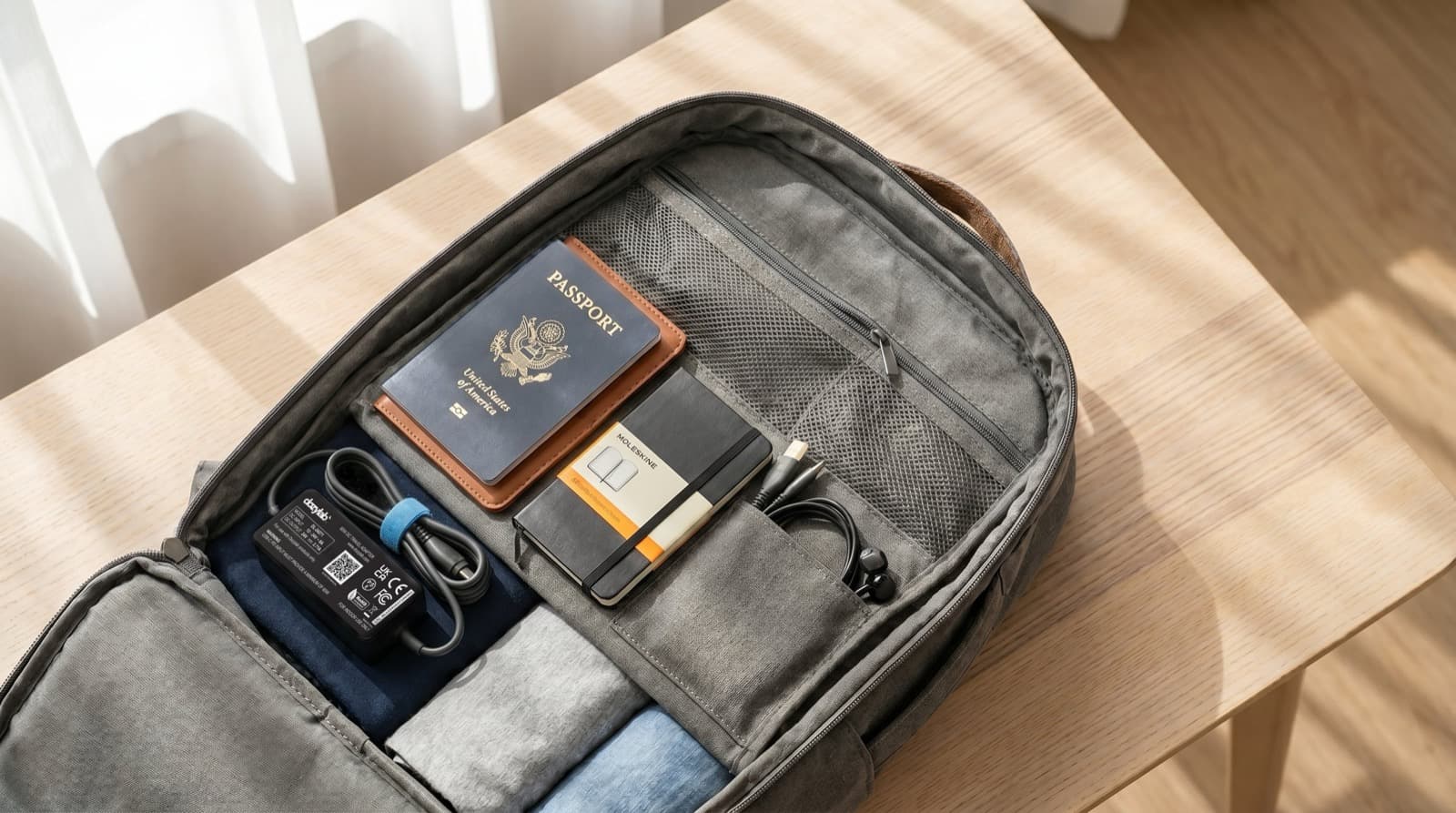
Keep the machine accessible. Spare batteries and power banks travel in the cabin.
Packing checklist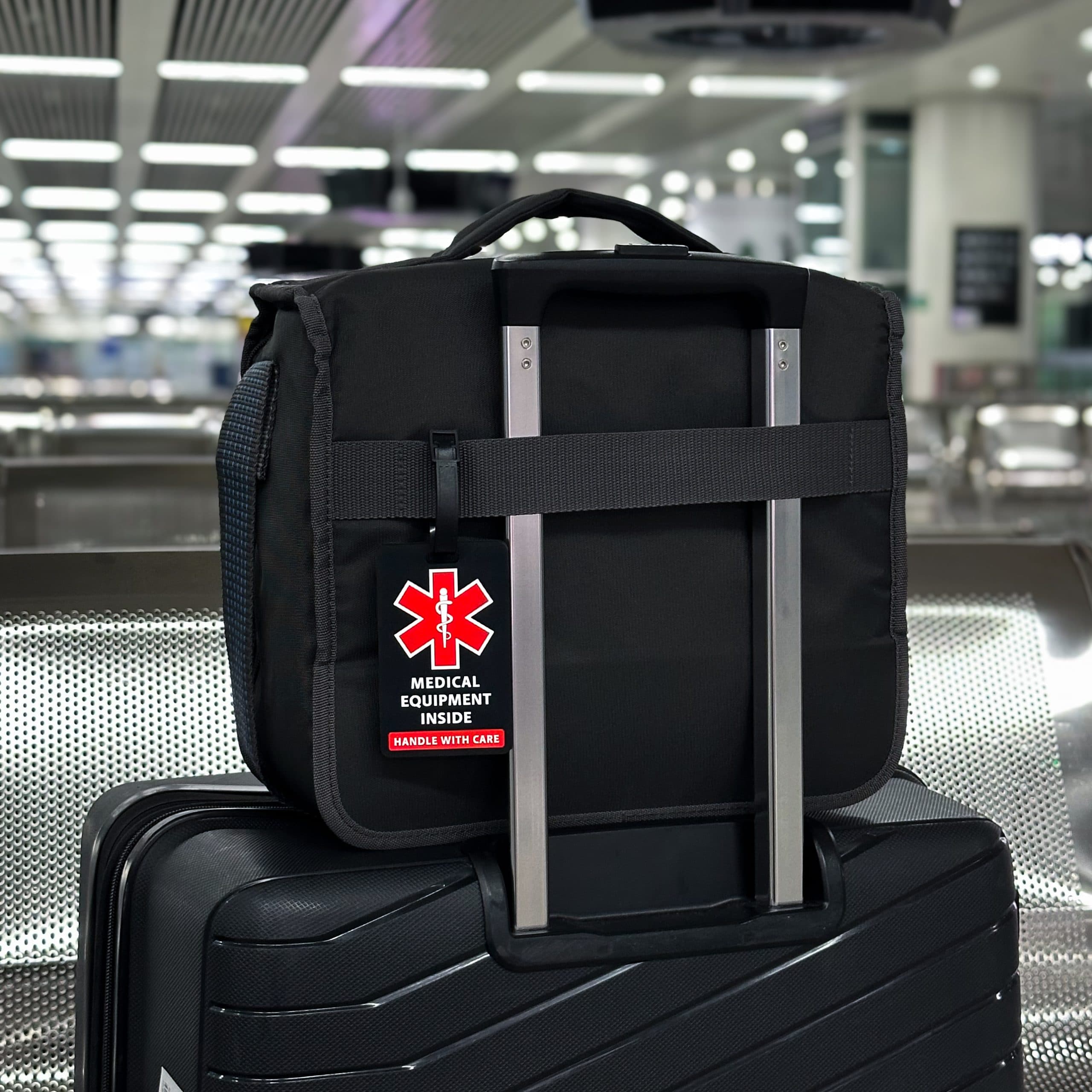 Check-in
Confirm your airline’s medical-equipment allowance before departure.
Airline rulesSecurityTell the officer you have a CPAP. Screening instructions vary by lane.
Step by step On board
Only if your airline allows it, often with notice in advance.
Power on board Arrival
Check your power supply’s input rating and the destination’s plug type.
Plugs and voltageTell the security officer you’re carrying a CPAP. Follow their instructions about taking it out of its case. Screening procedures vary by airport.
Start with the operating airline, not the seat map. Ask whether your exact CPAP and battery are accepted, what notice is required and whether medical paperwork is needed. Seat power is not a guarantee of permission or reliable power.
Battery check, before booking
Checked 15 November 2026. Confirm with Qantas before you fly. USB power banks have separate limits; this figure is not permission to carry or use one.
Usually, with just a plug adapter. Check the label first.
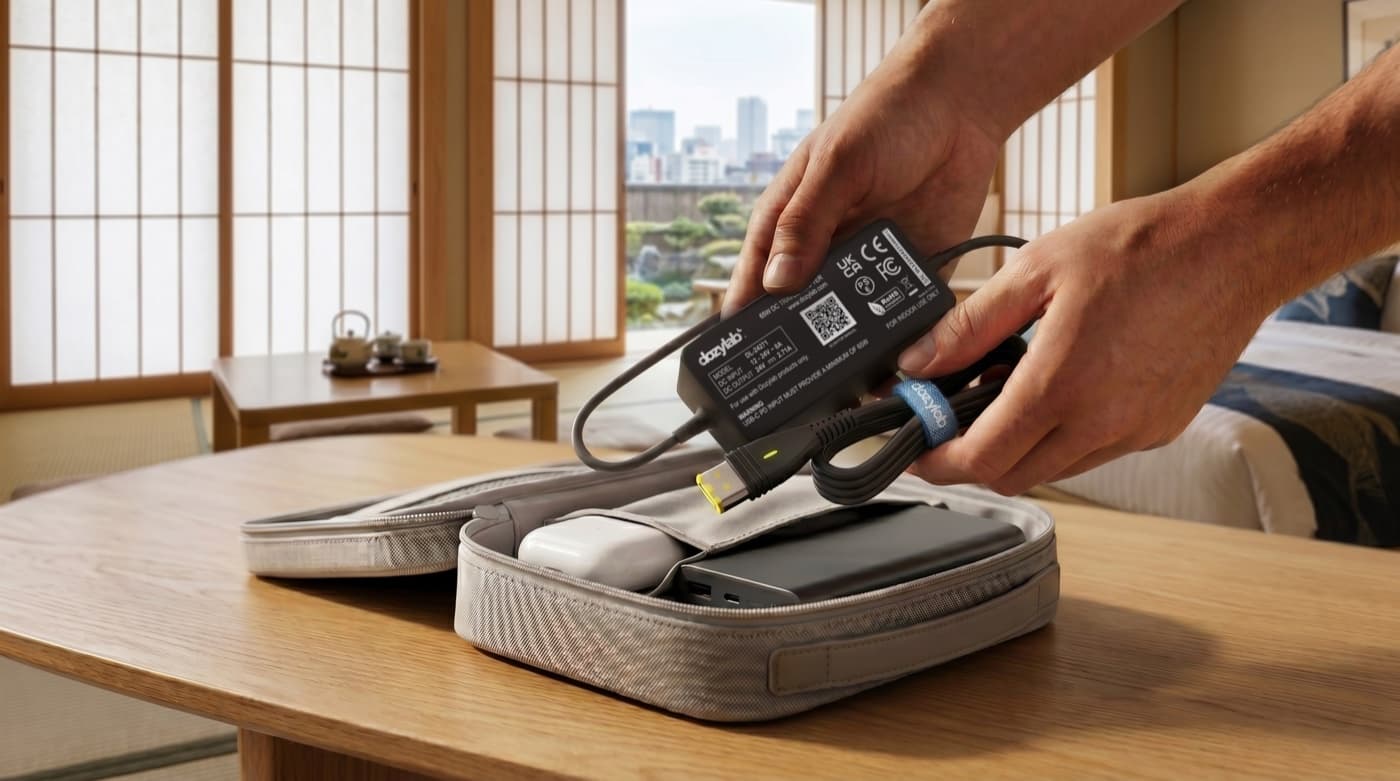
Example label · check your own
Look for the input voltage and frequency on your own power supply. A 100–240V label covers that voltage range; confirm the destination supply and manufacturer’s instructions.

A plug adapter changes the plug shape, not the voltage. If the supply rating does not match your destination, ask the manufacturer about an approved solution.

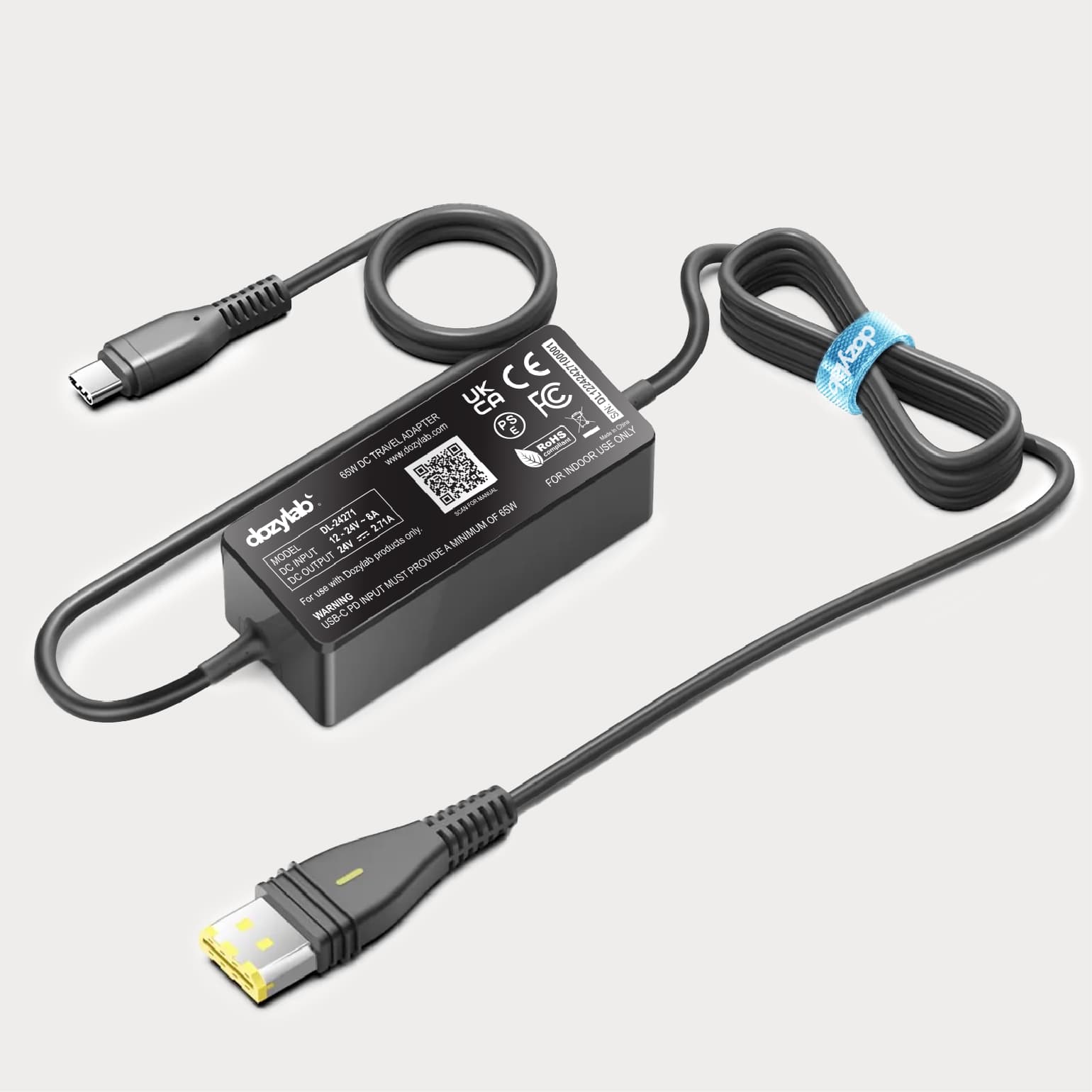
With an AirMini or AirSense 11, our compatible USB-C Travel Cable requires a USB-C PD source offering 20V at 3.25A (65W). A “65W” total rating across several ports is not enough on its own.
From your first airline check to the last thing in your bag.
Choose your trip. Tick things off as you pack.
Make your checklistEstimate battery runtime for your machine and settings.
Plan your powerFind the CPAP policy and official links for 60 airlines.
Find your airlineCheck your machine and the power source you need.
Check your setup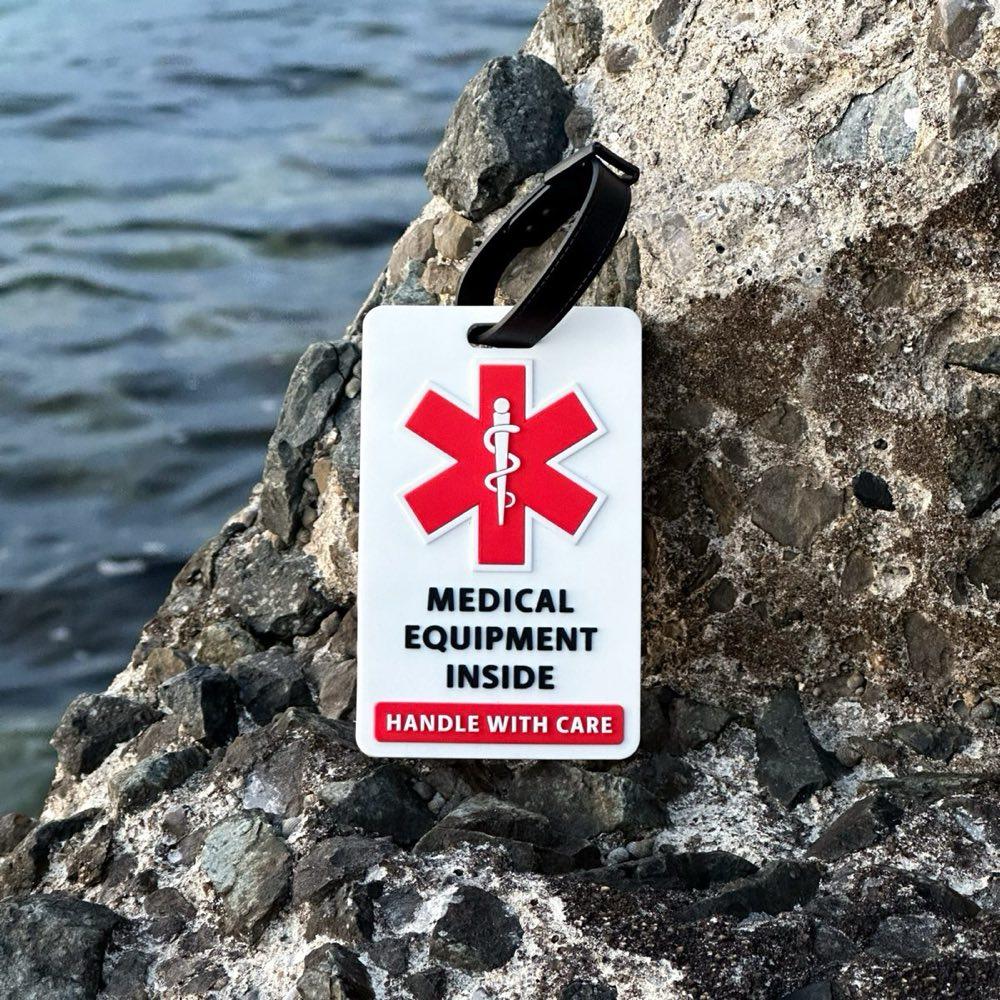
Made by CPAP users. Buy only what your trip needs.
$99.95
$13.90

from $8.00
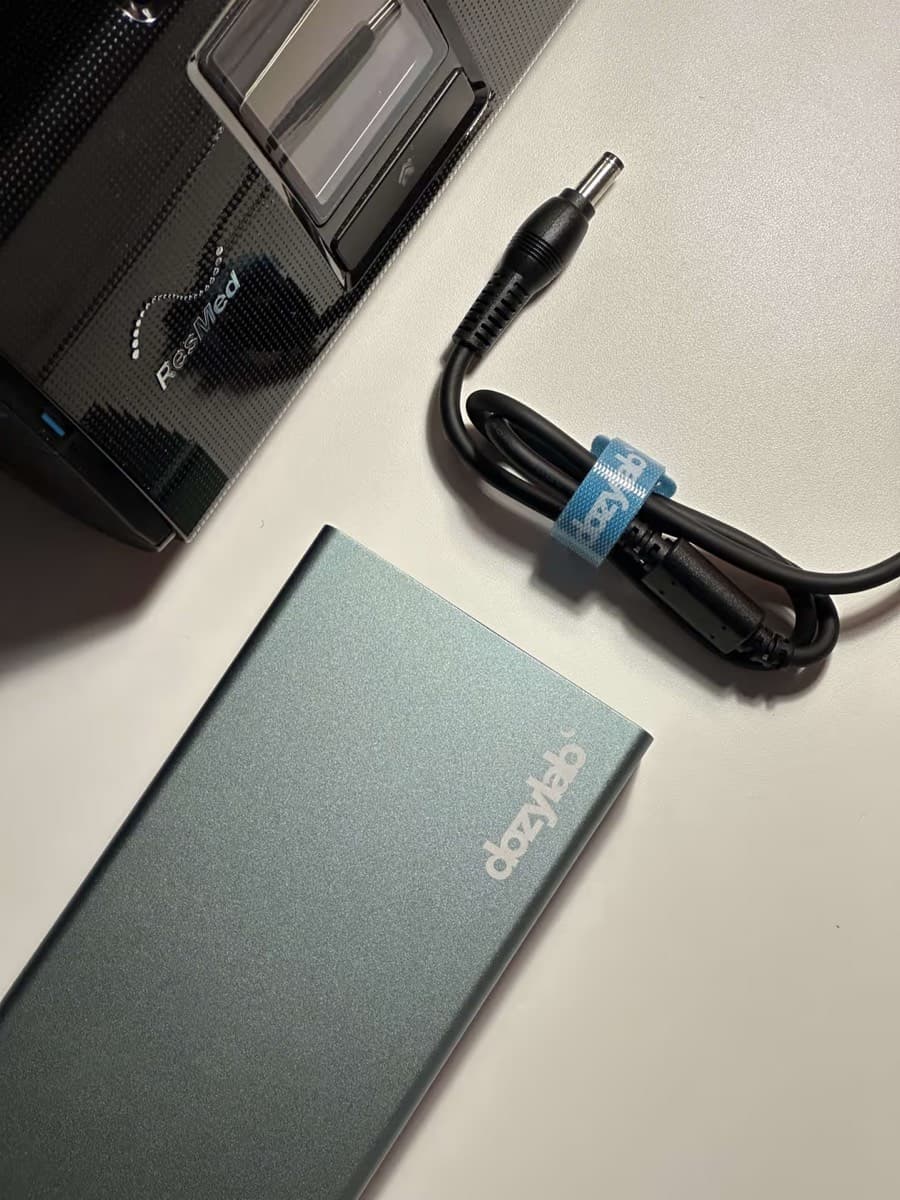
$4.90
The cable fits the AirMini and AirSense 11 only.
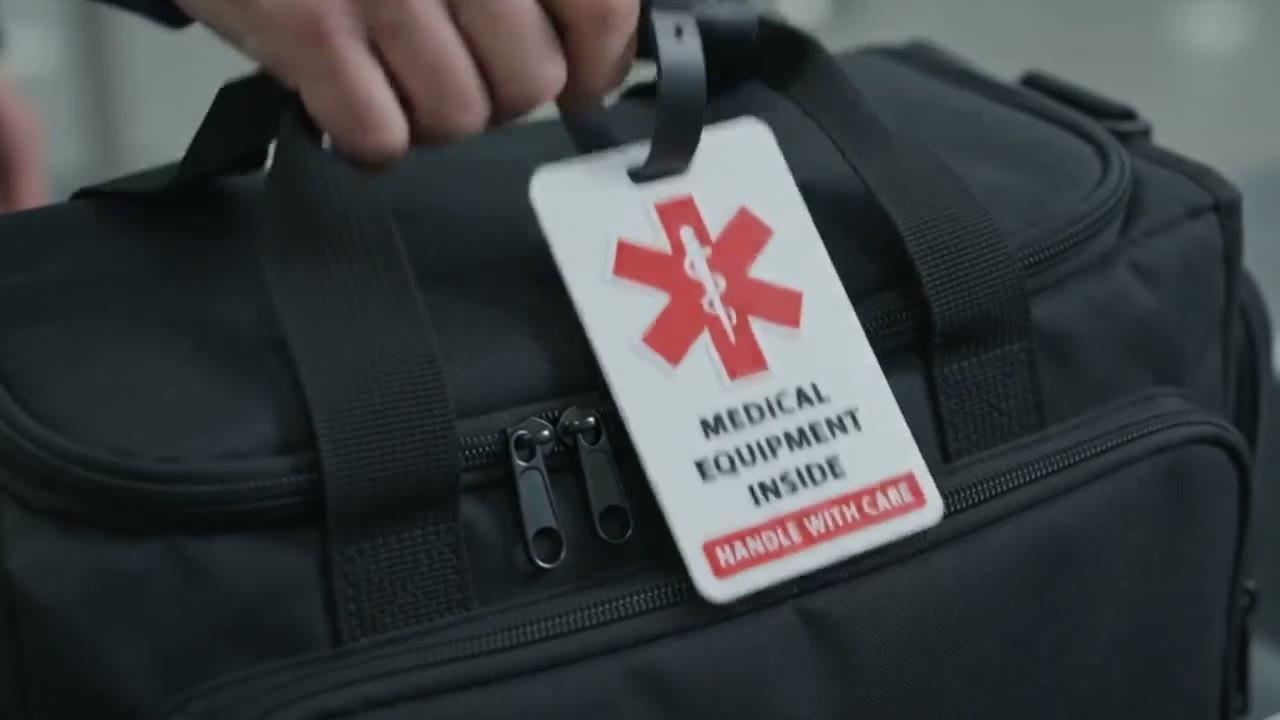
Plan to carry your CPAP in the cabin. Check your airline’s medical-equipment allowance and dimensions before flying, and arrange any in-flight use in advance.
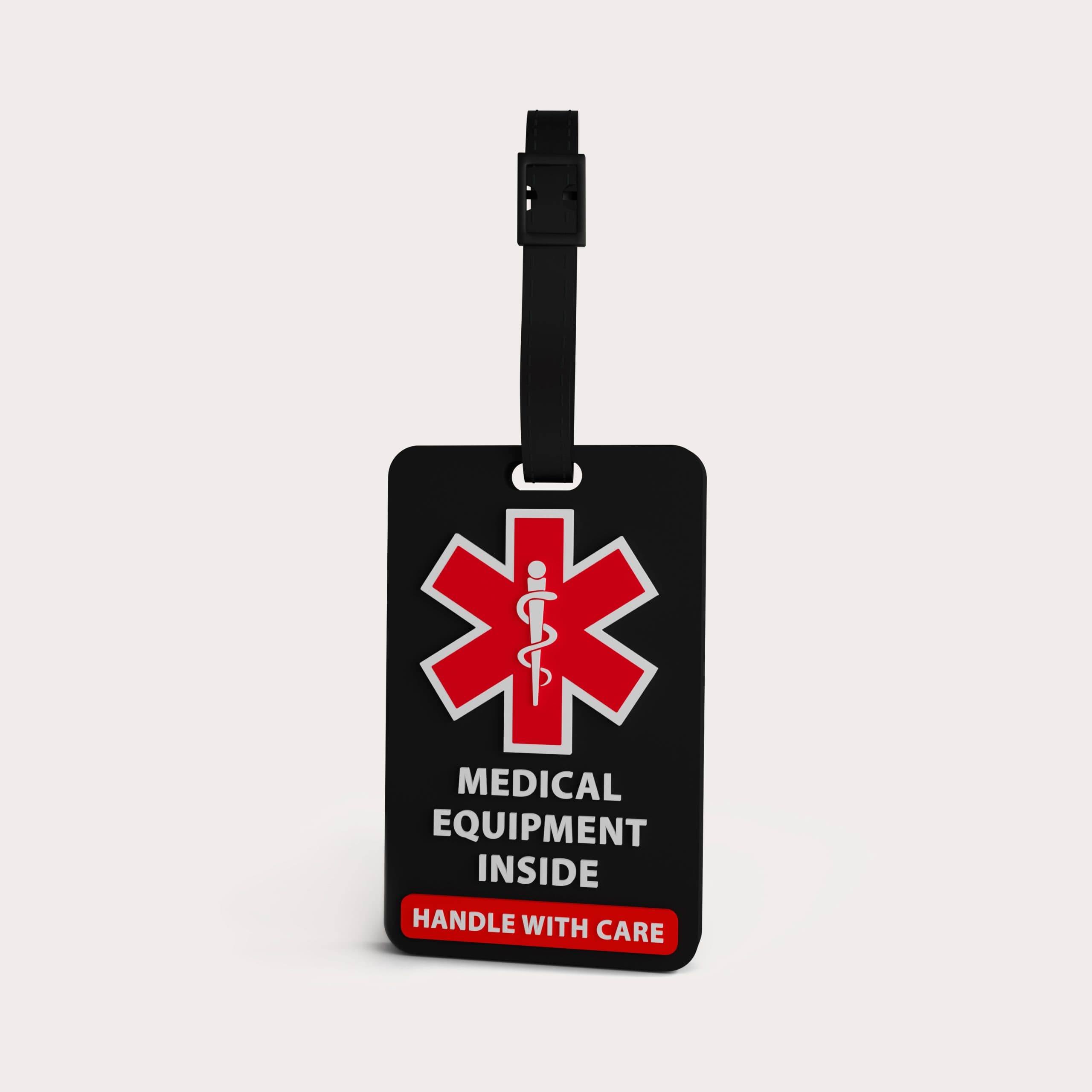
Airlines have different medical-equipment allowances and conditions. Use our airline guide to find the current policy for each flight, including codeshares. A medical label does not create an extra baggage allowance.
Tell the officer you have a CPAP and follow their instructions. Whether it stays in its case depends on the airport, screening equipment and lane. Keep it accessible and allow time for additional screening.
Ask the operating airline before travel. Permission, notice, medical paperwork and accepted power sources vary. A seat with a power outlet does not by itself mean CPAP use is approved or that the outlet can run it.
Spare batteries and power banks belong in carry-on baggage with terminals protected. IATA’s 2026 guidance limits universal USB power banks to two, each no more than 100 Wh; airlines can be stricter. Dedicated medical batteries may be treated differently. Confirm the exact battery and permission to use it with your airline.
Many airlines don’t ask for one. Some require a letter or MEDIF to use the machine in flight. It’s worth carrying one overseas.
Check the input voltage and frequency on your own power supply and the manufacturer’s travel instructions. If it accepts the destination’s mains supply, you usually need the correct plug adapter. A plug adapter changes the plug shape, not the voltage.
Empty the humidifier chamber before packing. Ask your departure airport about medically necessary liquids and declaration requirements; the rules can differ by route and screening point. You can also plan to obtain suitable water at your destination.
The ResMed AirMini and AirSense 11 only. It needs a 20V/3.25A (65W) USB-C power source.
General information, not medical or legal advice. Rules change, so check with your airline.