Taking Your CPAP Through Airport Security: TSA and Australian Rules Explained (2026)
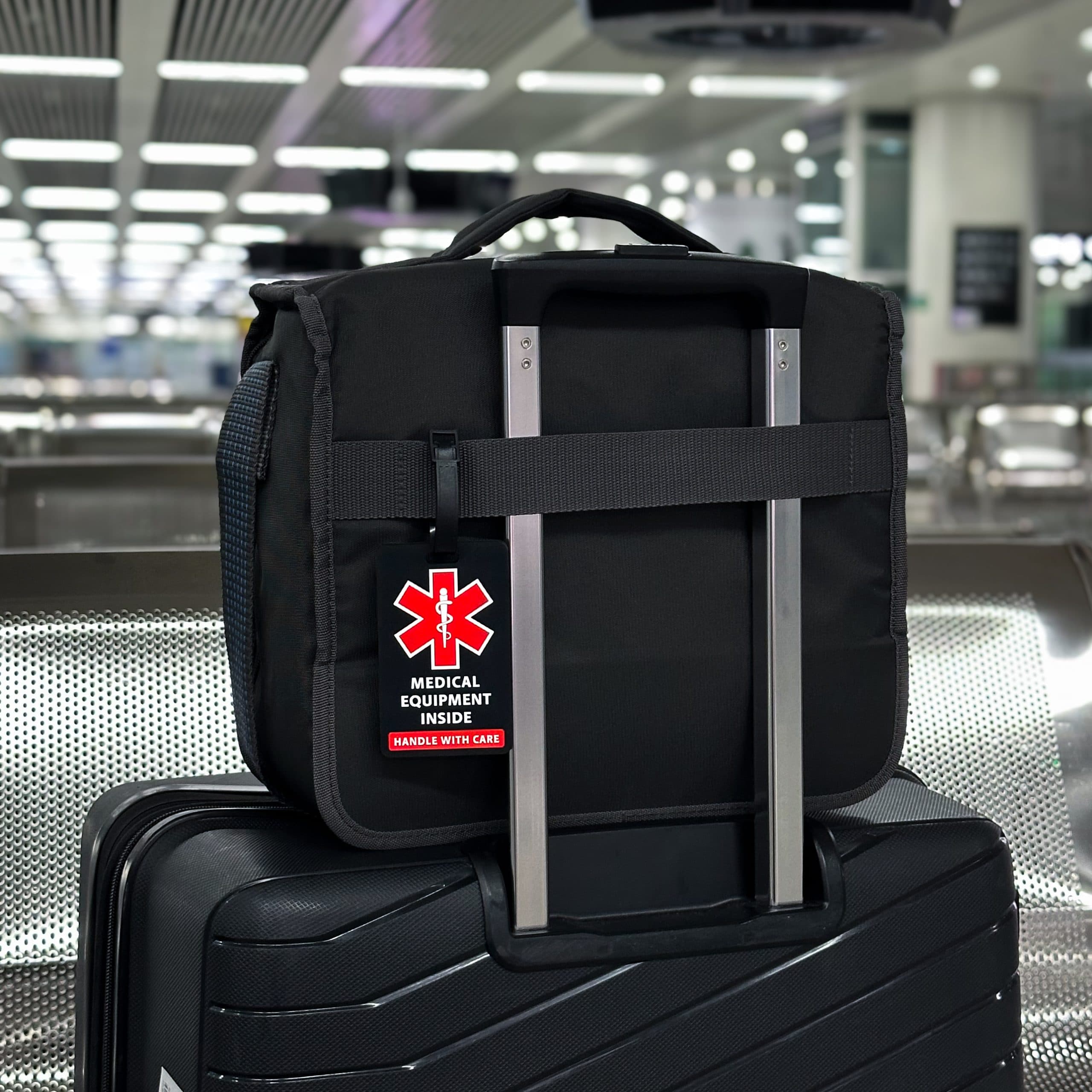
Getting a CPAP machine through airport security sounds more complicated than it is. Once you know the rules, it adds about 60 seconds to your trip through the checkpoint. The anxiety comes from not knowing what to expect, and the rules genuinely differ between the United States and Australia. Here is exactly what happens at both, straight from the official sources.
Do I Have to Take My CPAP Out for TSA?
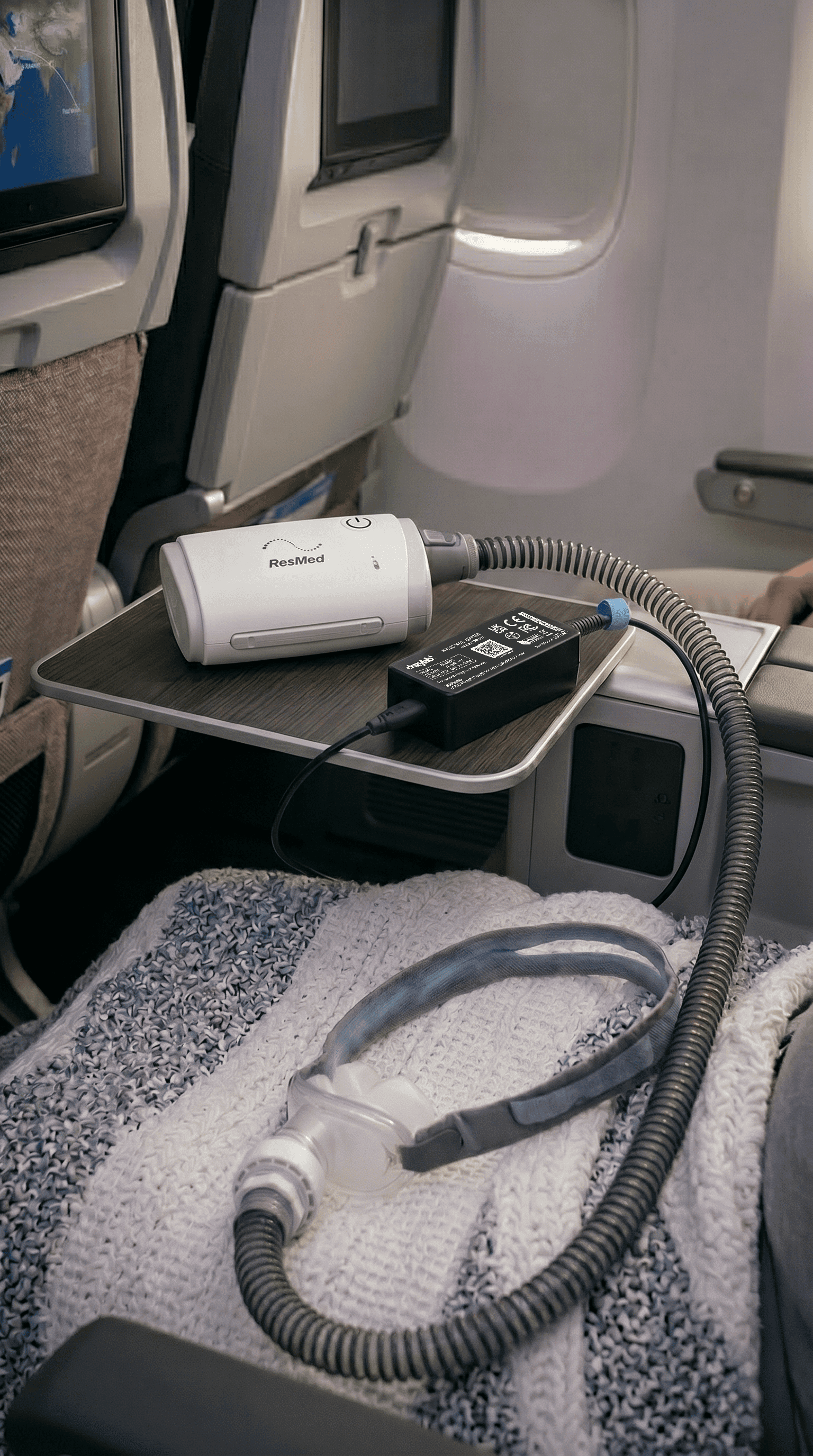
Yes, in the standard screening lane. The TSA's official guidance for nebulizers, CPAPs, BiPAPs and APAPs says the machine must come out of its carrying case for X-ray screening, the same way a laptop does. The good news most travellers miss: your facemask and tubing can stay in the case. Only the machine itself goes in the bin.
Two more TSA specifics worth knowing:
- TSA PreCheck changes everything. With PreCheck, the CPAP can stay in its case and in your carry-on for screening. If you fly through the US more than once a year with a CPAP, PreCheck pays for itself in checkpoint time alone.
- You can ask for a clear plastic bag to put the machine through the X-ray so it never touches the bin directly. TSA's own page suggests this, and it keeps your machine clean.
If you want extra support, TSA runs a helpline for travellers with medical devices (TSA Cares). Contacting them ahead of your trip can arrange assistance at the checkpoint.
What Are the Rules at Australian Airports?
Australian screening is run under the Home Affairs TravelSECURE framework, and the official advice is simple: tell the screening officers you are carrying a medical device. They may screen the CPAP separately, which also protects it from being knocked around in a shared tray.
In practice at Australian airports, expect to be asked to take the machine out of its bag, laptop-style. You do not need a doctor's letter for domestic screening; officers are checking for hazards, not prescriptions. A short letter from your sleep physician is still worth carrying for international trips, and for the airline conversation if you use a larger battery (more below).
One genuinely good quirk of flying domestic in Australia: there are no liquid limits on domestic flights, so the water in your humidifier chamber is not a screening problem between Australian cities. The 100ml rule only applies when you fly internationally. Airline rules are a separate matter: our guide to flying with your CPAP on Qantas, Virgin Australia and Jetstar covers carry-on allowances and notification windows.
What About the Water in My Humidifier?
Simplest rule that works everywhere: empty the chamber before you reach the checkpoint. A full water chamber is the most common reason a CPAP bag gets pulled aside for secondary screening.
If you need to carry distilled water through a US checkpoint, the TSA allows medically necessary liquids over the usual 100ml limit, provided you declare them to the officer at the start of screening and allow extra checks. Declaring a bottle of CPAP water is legitimate, but it does slow you down; many travellers find it easier to fly with an empty chamber and buy distilled water at the destination. On international flights out of Australia, the same logic applies to the 100ml rule.
Do CPAP Batteries and Power Banks Go in Carry-On?
Always carry-on, never checked. The FAA's PackSafe rules for lithium batteries are the global template, and Australian rules follow the same tiers:
- Up to 100Wh: allowed in carry-on with no approval needed. This covers standard consumer power banks.
- 101–160Wh: allowed with airline approval, and a maximum of two spares.
- Over 160Wh: not permitted on passenger aircraft at all.
- Spare batteries and power banks are banned from checked luggage everywhere. Protect the terminals (original packaging, taped terminals or a pouch), and keep the Wh rating label visible, because that is what a screening officer looks for.
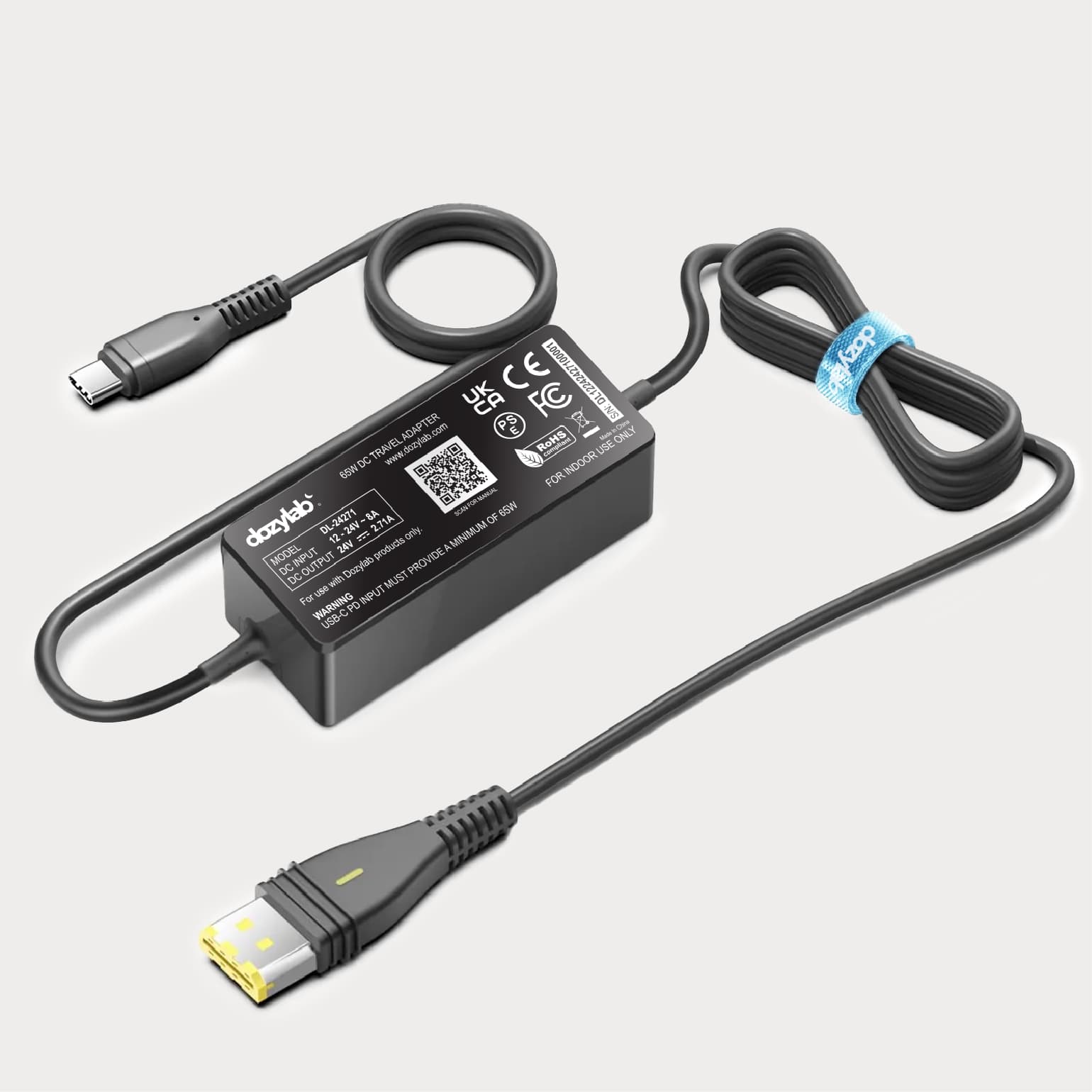
Running your machine from a standard sub-100Wh power bank instead of a dedicated CPAP battery keeps you inside the no-questions tier. The USB-C Travel Cable makes that possible for the ResMed AirMini and AirSense 11, and our guide to choosing a power bank for the AirSense 11 explains the 20V Power Delivery spec to check before you buy.
From the Dozylab shop
Fly with a power bank security has seen a thousand times
The USB-C Travel Cable runs your ResMed AirMini or AirSense 11 from an ordinary sub-100Wh PD power bank: the same one in every laptop bag at the checkpoint, with no airline approval needed.
USB-C Travel Cable · $79.95 · View product →
How Do I Make the Whole Thing Faster?
The travellers who clear security quickest with a CPAP all do the same five things:
- Pack it accessibly. Top of the bag or a dedicated outer pocket, so it comes out in one motion at the belt.
- Empty the humidifier chamber before you queue.
- Say "medical device" early. Officers on every continent know what a CPAP is; naming it up front skips the questions.
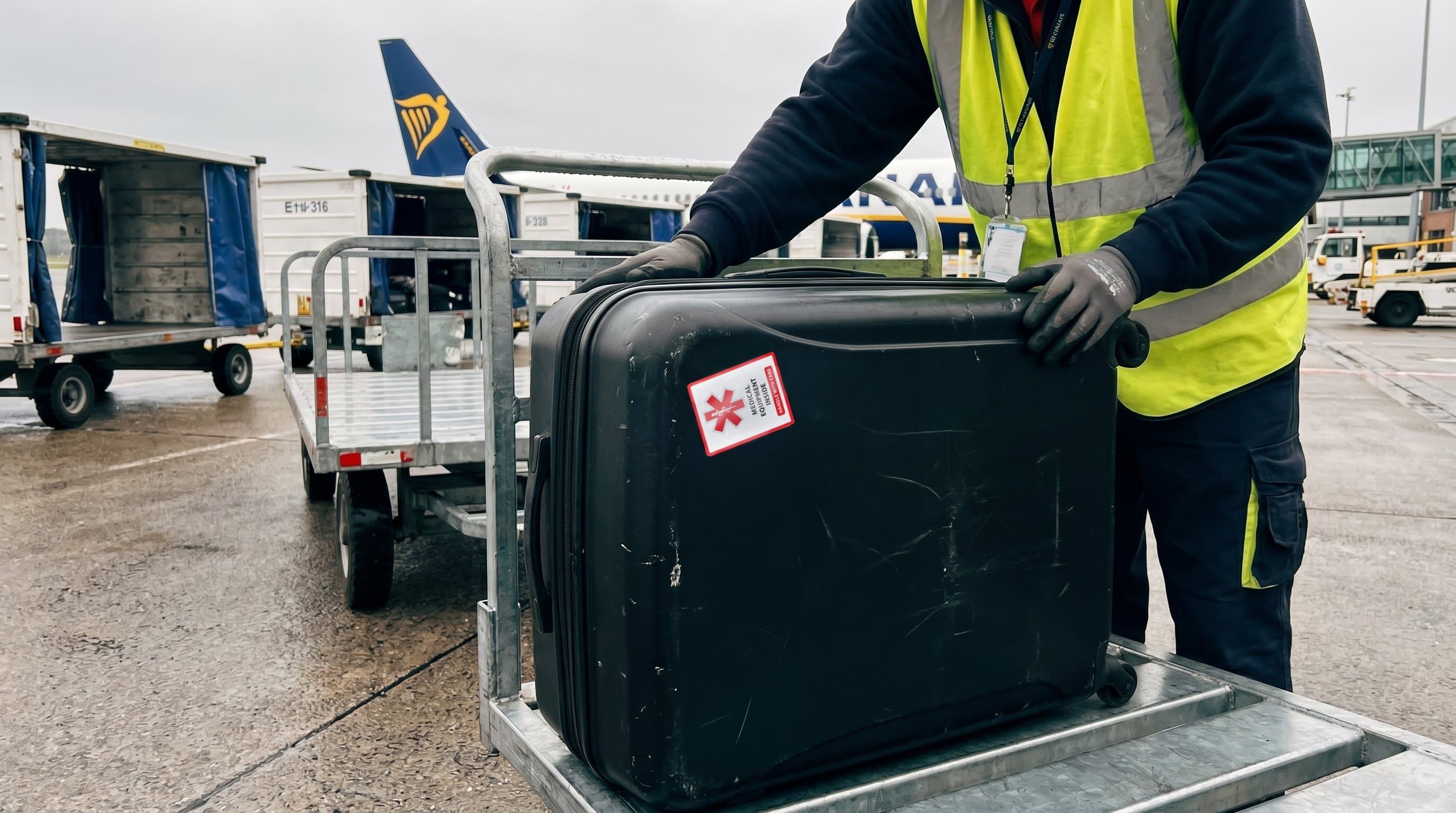
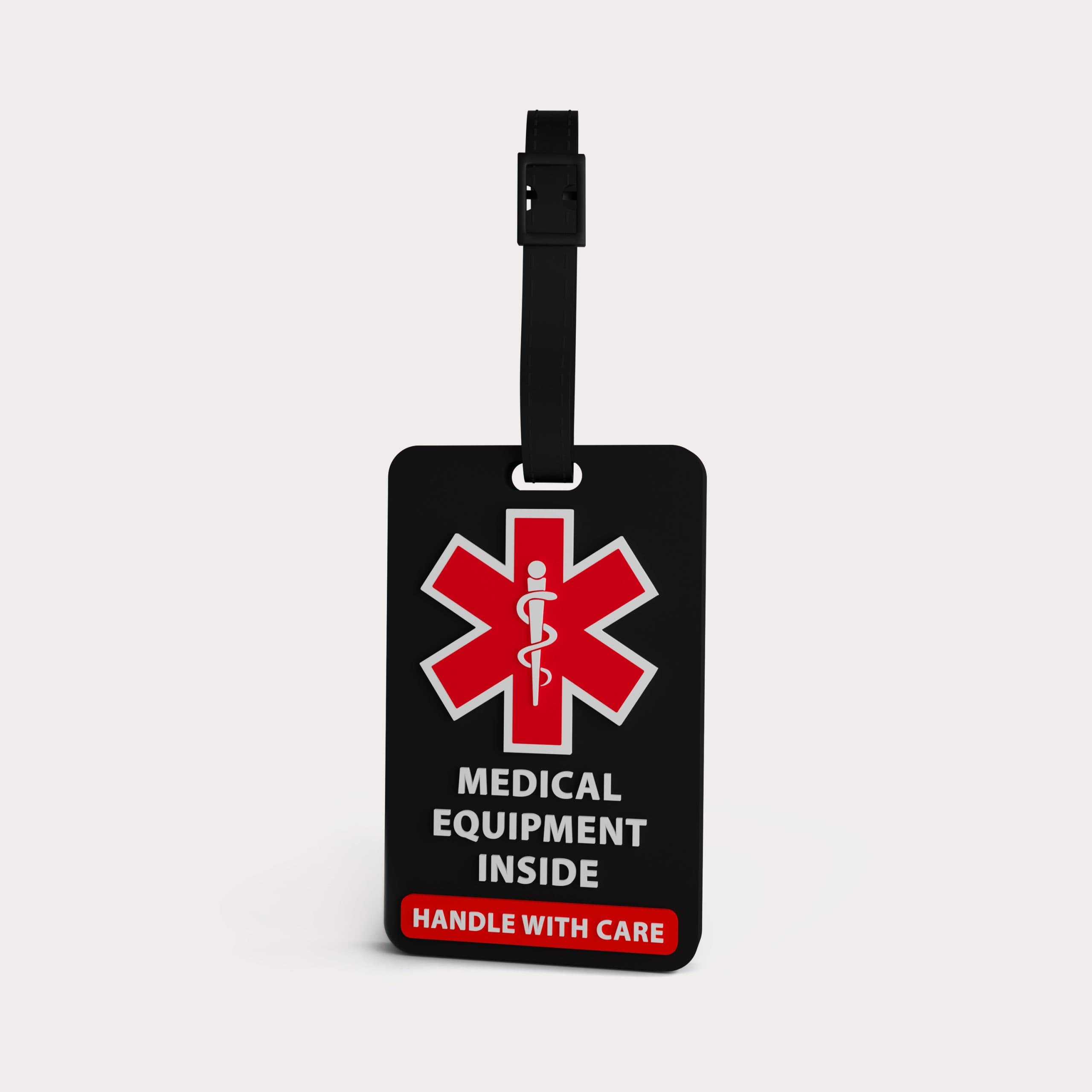
- Label the bag as medical equipment. A visible medical equipment luggage tag means check-in staff, screening officers and gate agents recognise the bag before anyone has to ask, and it flags the bag as exempt from carry-on counts on most airlines.
- Keep the power bank visible next to the machine, label side up.
From the Dozylab shop
Answer the question before it's asked
A glow-in-the-dark Medical ID Tag tells every officer and agent the bag holds medical equipment, so it gets handled as a medical device at the checkpoint, the gate and the carousel.
Medical ID Luggage Tag · $13.90 · View product →
What About Other Countries?
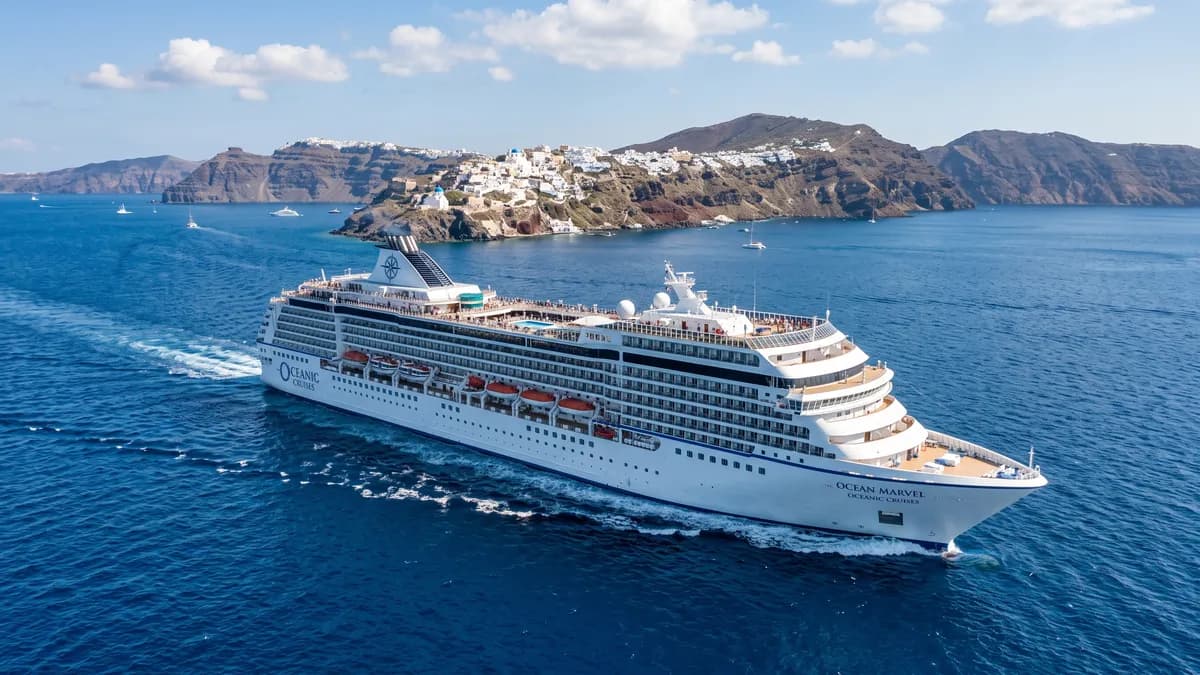
The remove-from-bag rule is the global norm, with local variations. The EU and UK run rules equivalent to the TSA's. In some Southeast Asian airports the process is less standardised, and you may not be asked to remove the machine, but taking it out proactively is never wrong. Japan's screening is famously thorough and orderly, and an organised bag (machine accessible, chamber empty, power bank visible) keeps even a careful inspection quick. Cruising instead of flying? The terminal X-ray process is easier still, and we cover it in our guide to taking a CPAP machine on a cruise.
Frequently Asked Questions
Do I have to take my CPAP out of the bag for TSA?
Yes, in standard screening the TSA requires the machine out of its case for X-ray, though the mask and tubing can stay in. With TSA PreCheck, the whole kit can stay in your carry-on.
Does a CPAP machine count as a carry-on?
Generally no. Most airlines treat a CPAP as a medical device that does not count toward your carry-on allowance, including Qantas, Virgin Australia and Jetstar. Check your airline's medical equipment policy before you fly.
Can I take distilled water for my CPAP through security?
In the US, yes, if you declare it as a medically necessary liquid at the start of screening; expect extra checks. On Australian domestic flights there are no liquid limits at all. On international flights the 100ml rule applies, so most travellers fly with an empty chamber and buy water at the destination.
Do CPAP batteries have to go in carry-on?
Yes. Spare lithium batteries and power banks are banned from checked luggage worldwide. Up to 100Wh needs no approval; 101–160Wh needs airline approval, with a maximum of two spares.
Do I need a doctor's letter to get a CPAP through airport security?
No. Security officers screen for hazards, not prescriptions. A brief letter is still handy for international trips and for airline approval of larger batteries.
Ryan @ Dozylab
Sources
Every claim in this guide links to an official government source. Airline-specific carry-on allowances are covered in our guide to flying with a CPAP on Australian airlines. Sources last verified August 2026.
- TSA: Nebulizers, CPAPs, BiPAPs and APAPs (machine out of the case in standard screening; facemask and tubing may stay in; clear plastic bag option)
- TSA FAQ: Carrying a CPAP onboard (TSA PreCheck lets the CPAP stay in its case and carry-on)
- TSA: Liquid medications (medically necessary liquids over 100ml allowed in carry-on when declared at the start of screening)
- TSA Cares: Disabilities and Medical Conditions (checkpoint assistance for travellers with medical devices)
- FAA PackSafe: Lithium Batteries (0-100Wh allowed; 101-160Wh with airline approval, two spares max; spare batteries never in checked baggage)
- Department of Home Affairs, TravelSECURE: People with special circumstances (declare medical devices to screening officers; separate screening available)
- Department of Home Affairs: TravelSECURE (liquids, aerosols and gels rules apply to international flights; no volume limits on Australian domestic flights)
From the Dozylab shop