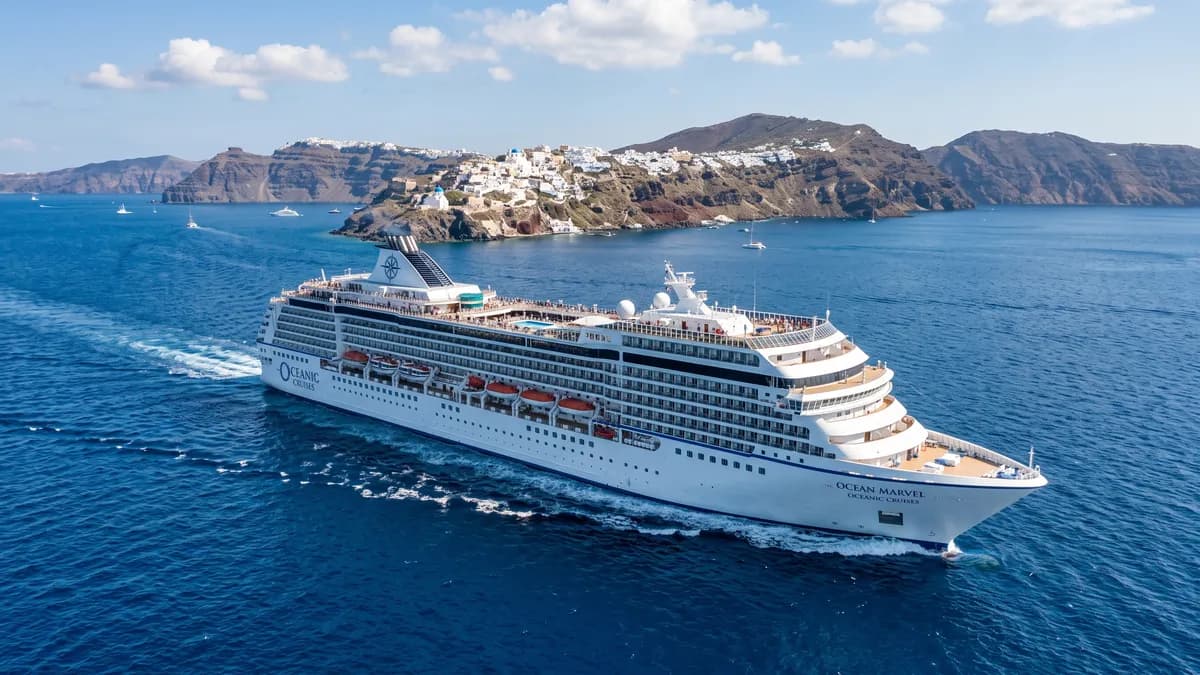
Yes, you can generally take a CPAP machine on a cruise. Every major cruise line we've looked at, including Royal Caribbean, Carnival, Princess, Celebrity, Norwegian and Disney, welcomes CPAP machines on board at no charge. Most will supply distilled water for your cabin too (some even an extension cord), but usually only if you ask in advance.
That last part trips up more cruisers than anything else. Here's what to do before you sail, what to pack, and the cabin power quirks nobody warns you about.
Do I Need to Tell the Cruise Line I'm Bringing a CPAP?
You don't need permission, but you should notify your line through their special needs or accessibility form, ideally at least 30 days before sailing. This is how the ship knows to have distilled water (and on some lines, an extension cord) waiting in your stateroom when you arrive.
Each line handles it a little differently, and policies do change, so treat this as a starting point and confirm against your line's current page before you sail:
| Cruise line | How to request | What they typically provide |
|---|---|---|
| Royal Caribbean | Guest Special Needs form, at least 30 days before sailing | Distilled water and an extension cord in the stateroom, free |
| Carnival | Pre-order via the Fun Shops or order through Room Service on board; see Carnival's CPAP page | Distilled water is available but sold by the gallon (around US$6 at the time of writing). You can hand-carry your own on board instead |
| Princess | Cruise Personalizer → Check-In → Dietary Requests → distilled water for CPAP use | Cruisers report roughly a gallon of distilled water, free. Confirm in your Personalizer |
| Celebrity | Guest special needs form via their accessibility team | Distilled water, generally free |
| Norwegian (NCL) | Pre-request distilled water at least 4 days before sailing, or at Guest Services on board; see NCL's CPAP page | Distilled water free on request. NCL asks you to bring your own ~6 ft extension cord (no surge protector) |
| Disney | Special Services form before sailing | Distilled water and an extension cord can be requested, free |
Australian cruisers: P&O Cruises Australia was folded into Carnival Cruise Line in 2025, and Carnival has indicated that medical and accessibility requirements carry over with transferred bookings, but it's worth re-confirming your CPAP request directly with Carnival before you sail.
Even with a confirmed request, systems aren't perfect. Cruisers occasionally arrive to find no water waiting. The fix is easy: mention it to your stateroom attendant on day one, and it will usually be sorted within the hour.
Can You Bring a CPAP on a Cruise as Carry-On?
Yes, and you should. Whether you're flying to the port or walking up the gangway, keep your CPAP with you as carry-on. Checked bags can take hours to reach your cabin (and occasionally go missing), and you don't want your first night at sea without therapy.
Two bonuses of carrying it on:
- At the cruise terminal, your CPAP bag goes through the X-ray like any other bag, with no special screening drama.
- On most airlines, a medical device bag generally doesn't count toward your carry-on allowance. We've covered the airline-by-airline rules in our guide to flying with your CPAP on Qantas, Virgin Australia and Jetstar.
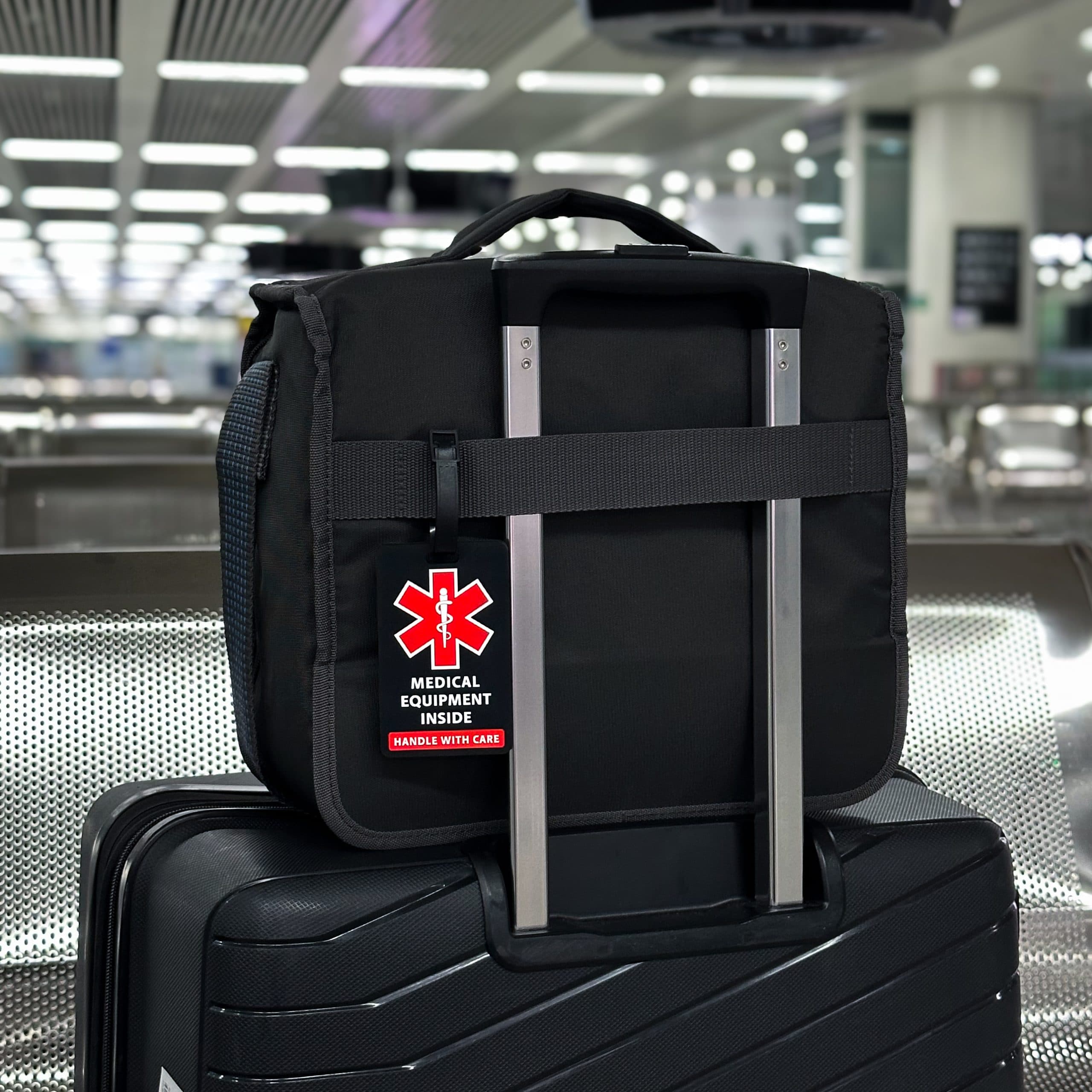
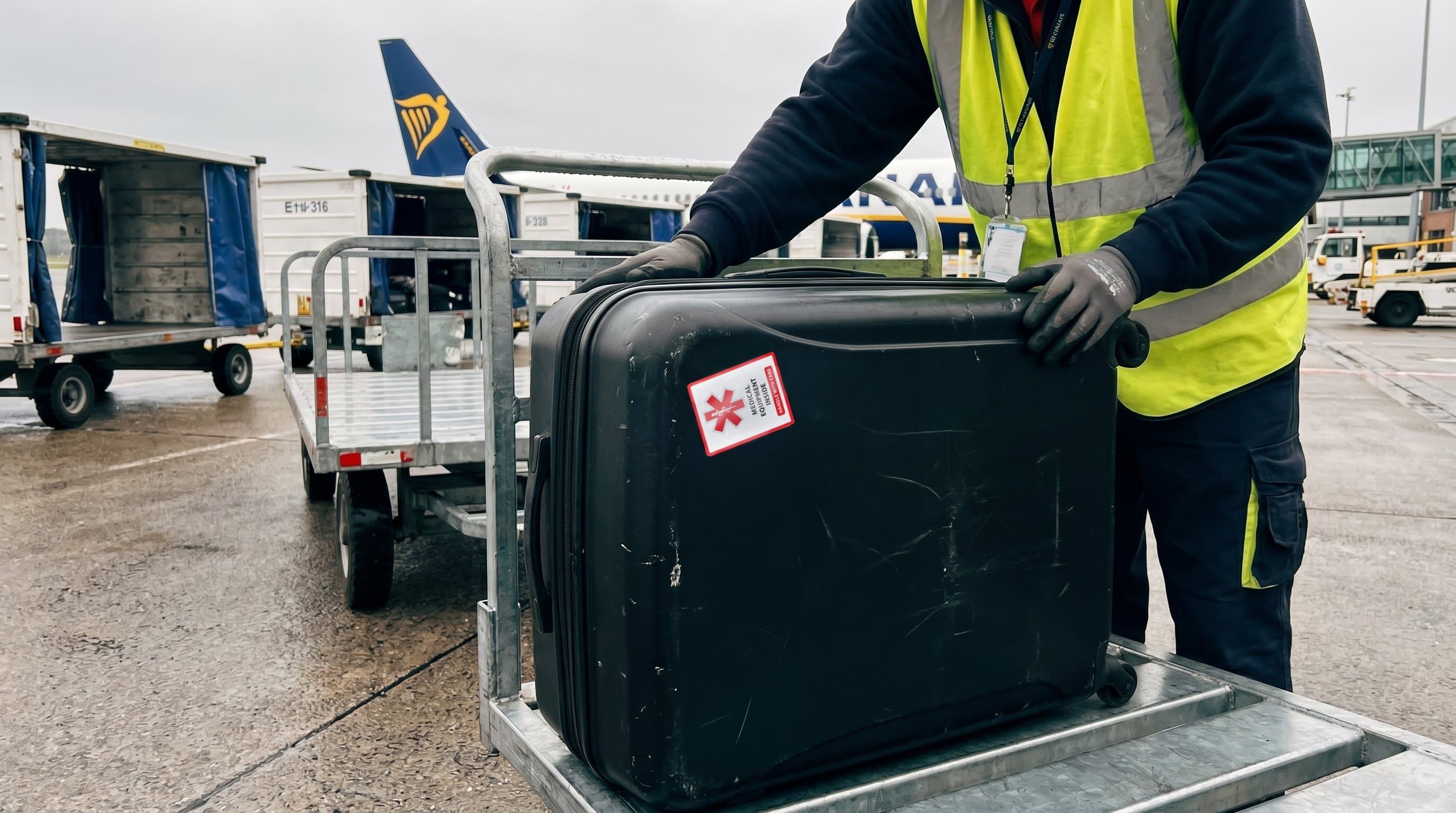
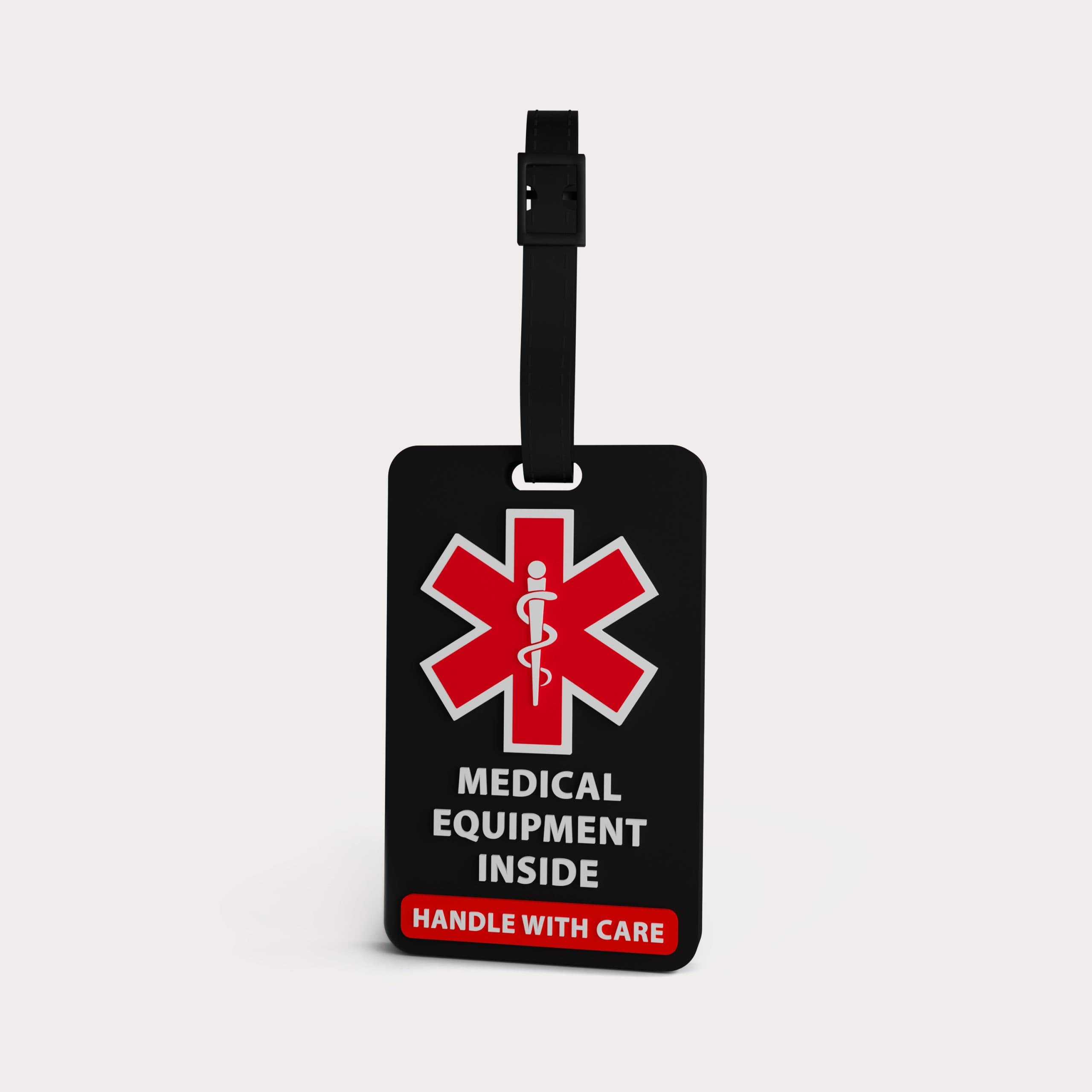
A medical equipment luggage tag on your CPAP bag helps here twice: security and airline staff immediately recognise it as a medical device, and it's far less likely to be gate-checked or mishandled.
From the Dozylab shop
Make it obvious it's medical equipment
A glow-in-the-dark Medical ID Tag tells airline staff and port handlers what's in the bag before they touch it, so it's handled as a medical device rather than tossed in with the checked luggage.
Medical ID Luggage Tag · $13.90 · View product →
Will There Be a Power Outlet Near My Bed?
Here's the catch nobody mentions: cruise ship cabins rarely have outlets beside the bed. Most cabins put the outlets at the desk or vanity (Carnival, for example, notes there's one outlet per stateroom, located in the desk area), which can be several metres from your pillow.
Your options, best to worst:
- Sort an extension cord through your cruise line. Rules differ by line: Royal Caribbean and Disney generally provide one with your special needs request, while NCL asks you to bring your own ~6 ft cord without a surge protector, and may hold one that fails safety inspection. Ask your line early; onboard supplies are limited.
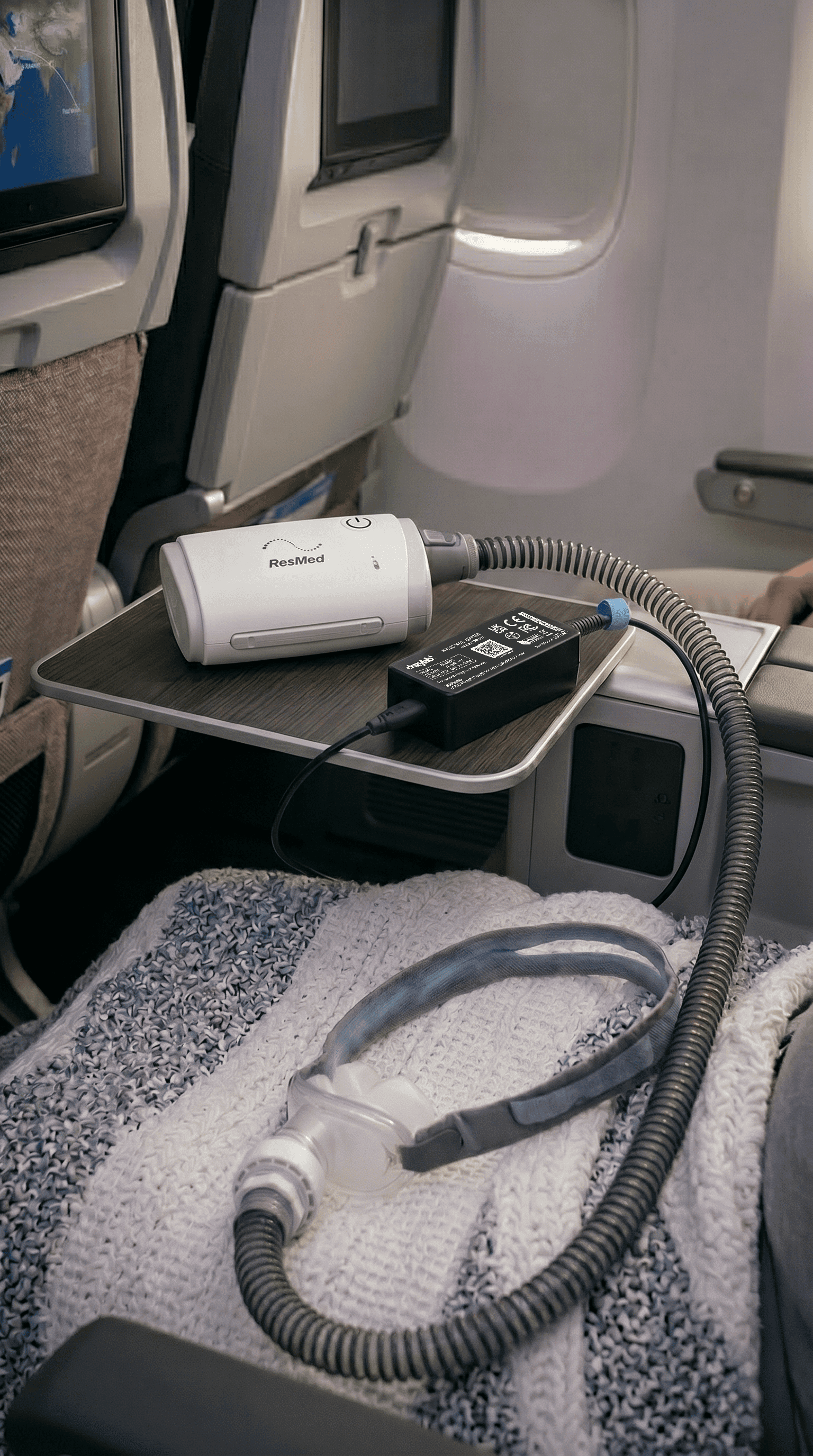
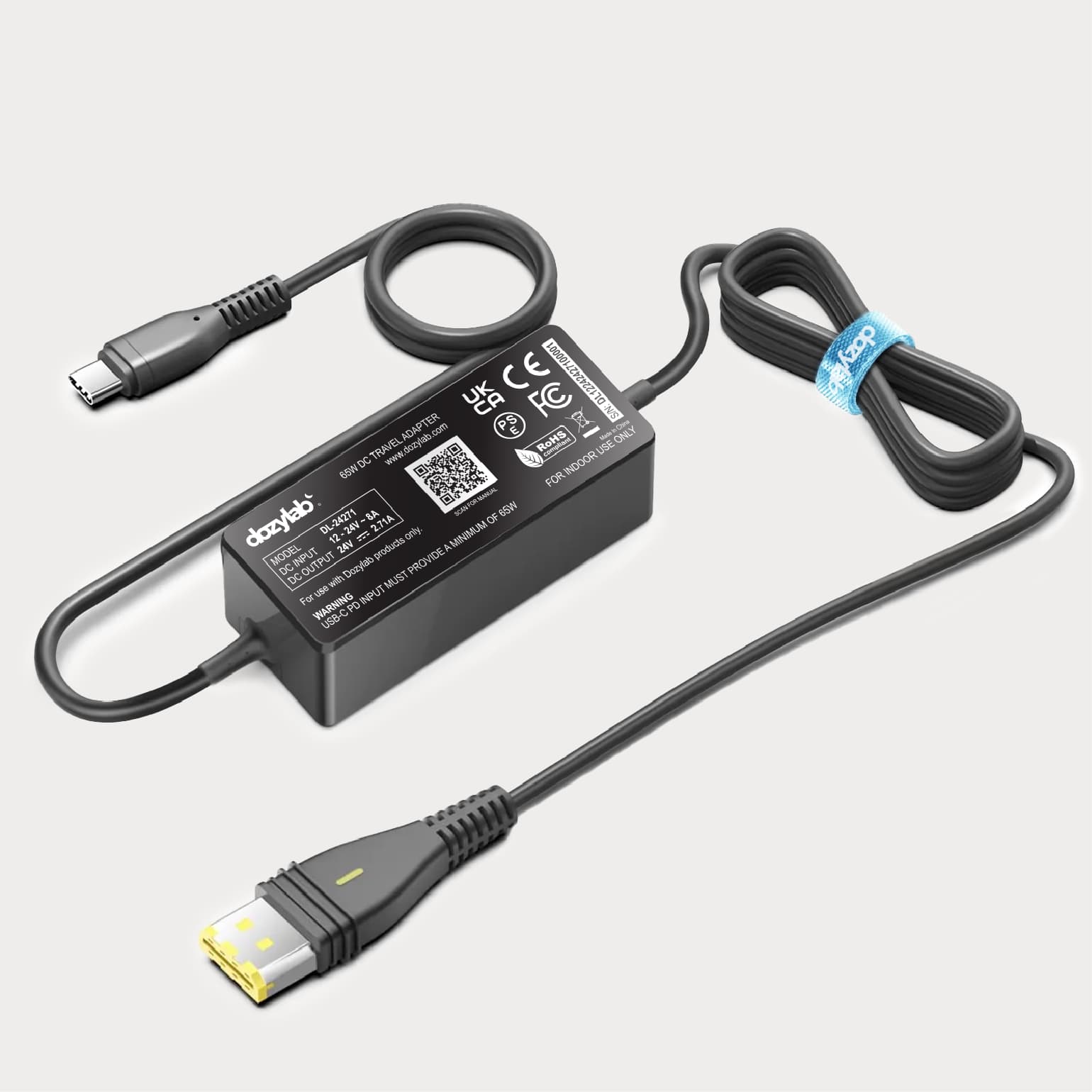
- Run your CPAP from a power bank. A USB-C power bank with Power Delivery paired with a USB-C travel cable for your ResMed AirMini or AirSense 11 turns any bedside table into a powered one: no cords across the floor, and no dependency on the ship's loaner cords. We've written a full guide to choosing the right power bank for the AirSense 11.
- Do not pack a power strip or surge protector. Royal Caribbean's prohibited items policy bans extension cords, power strips and multi-plug outlets outright (medical exceptions go through their special needs team), and surge-protected devices are treated as a fire risk on most major lines. Confiscation at the terminal is routine.
From the Dozylab shop
Power your CPAP from any bedside table
Pair the USB-C Travel Cable with a standard PD power bank and your ResMed AirMini or AirSense 11 runs bedside all night. No ship extension cord, no cords across the cabin floor.
USB-C Travel Cable · $79.95 · View product →
Voltage is generally a non-issue for modern machines. Ships typically offer a mix of 110V American-style and 220V European-style outlets (NCL and Carnival both describe their staterooms this way), though a few ships may be 110V-only. Every current ResMed machine has a universal 100–240V power supply, but check the label on yours to be sure. And since many ships use US-style sockets, Australian cruisers should pack a plug adapter.
Want the cord, outlet and battery rules for your specific line? We've broken it all down in our guide to CPAP power on cruise ships, line by line.
What About Distilled Water and My Humidifier?
Three ways to handle humidification at sea:
- Use the ship's distilled water. Request it in advance (see the table above) and top up through your stateroom attendant. A gallon comfortably covers a week for most machines.
- Pack a small bottle for night one. Even confirmed requests occasionally don't make it to the cabin before bedtime. A 600ml bottle in your carry-on is cheap insurance.
- Skip water entirely. If you travel with a ResMed AirMini, its waterless HumidX system means nothing to request, carry or refill, which is one reason it's such a popular cruise machine. (Deciding between machines? See our AirMini vs AirSense 11 travel comparison.)
Sea air is naturally humid, so many cruisers find they need less humidification than at home. If you run out of distilled water mid-cruise, bottled water will do in a pinch for a night or two. Just rinse your tub daily and give it a proper clean when you're home.
Can I Take a Power Bank on a Cruise for My CPAP?
Generally yes. Small personal power banks are permitted on the major lines (Royal Caribbean's prohibited items list, for instance, allows certified device and USB chargers while banning power strips), and there's no better backup for a cabin with awkward outlets. Two rules of thumb:
- Keep it under 100Wh (that covers virtually all quality CPAP-capable power banks) and carry it in your hand luggage, never checked bags. This also satisfies airline rules for the flight to port.
- Power bank policies have been tightening across the industry, so check your specific line's prohibited items list shortly before sailing.
CPAP Cruise Packing Checklist
- CPAP machine, mask and tubing, packed in your carry-on
- USB-C travel cable + power bank (bedside power without relying on ship cords)
- Plug adapter (US-style sockets on many ships)
- Your own basic extension cord if sailing NCL (~6 ft, no surge protector)
- 600ml of distilled water for night one (if you use a humidifier)
- Medical equipment luggage tag on the CPAP bag
- Extra mask cushion and filter
- Special needs form submitted 30+ days out, with the confirmation saved to your phone
Frequently Asked Questions
Can you take a CPAP machine on a cruise ship?
Yes, generally. All major cruise lines allow CPAP machines free of charge. Notify the line via their special needs form, ideally at least 30 days before sailing, so distilled water (and where offered, an extension cord) is ready in your cabin.
Does a CPAP machine count as luggage on a cruise?
Cruise lines generally treat a CPAP as a medical device rather than part of your luggage allowance. Keep it with you as carry-on rather than sending it off with your checked bags at the port.
Do cruise ships provide distilled water for CPAP machines?
Most do, free of charge, when requested in advance; Royal Caribbean, Princess, Celebrity, Norwegian and Disney are among them. Carnival sells it by the gallon instead, so confirm with your line when booking.
Can I plug my CPAP in on a cruise ship?
Yes, but outlets are usually at the desk, not the bed. Arrange an extension cord with your line in advance (or bring your own on NCL), or run your machine from a power bank with a USB-C travel cable.
Are power strips allowed on cruise ships?
Generally no. Power strips, surge protectors and multi-plug outlets are prohibited on the major cruise lines and are routinely confiscated at the terminal. Arrange a medical-use extension cord through your cruise line instead.
Ryan @ Dozylab
Sources
Every policy claim in this guide links to the cruise line's official page. Details we could only verify from cruiser reports are hedged in the text and listed separately below. Sources last verified August 2026.
- Royal Caribbean: Guest Special Needs (distilled water and extension cord provided free; 30 day form window)
- Royal Caribbean: Prohibited Items Policy (extension cords, power strips and multi-plug outlets banned; certified device and USB chargers allowed)
- Carnival: CPAP Machines and Oxygen Equipment (distilled water sold by the gallon; extension cords and power banks allowed for CPAP use)
- Carnival Australia: P&O booking transition FAQ (medical and accessibility requirements carry over)
- Norwegian Cruise Line: Traveling with C-PAP (distilled water 4 days ahead; bring your own ~6 ft non-surge extension cord; stateroom outlets)
- Disney planDisney Q&A: extension cord requests and distilled water on board
- ResMed: AirMini (waterless HumidX humidification)
Cruiser-reported (hedged in the text above):
- Cruise Critic: CPAP distilled water on Princess (Cruise Personalizer steps; roughly a gallon provided free)
From the Dozylab shop