Loading…
Free shipping on all orders within Australia

Your cart is empty

Understand what might be affecting your nights. Find clear guides, research sources and practical next steps for home or away.
Understand possible causes, what to notice, and when to speak with your GP or pharmacist.
Start with the research and the safety limits, before deciding whether a product belongs in your routine.
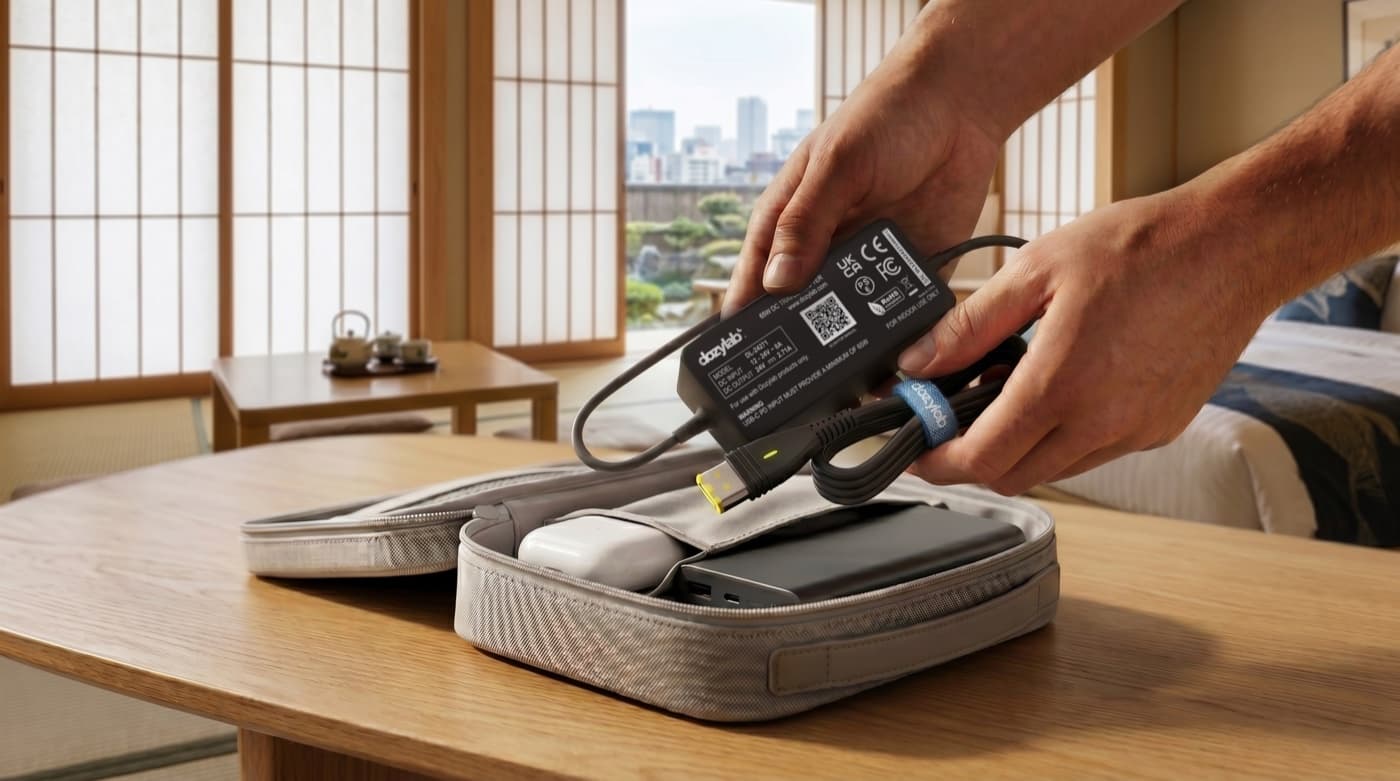
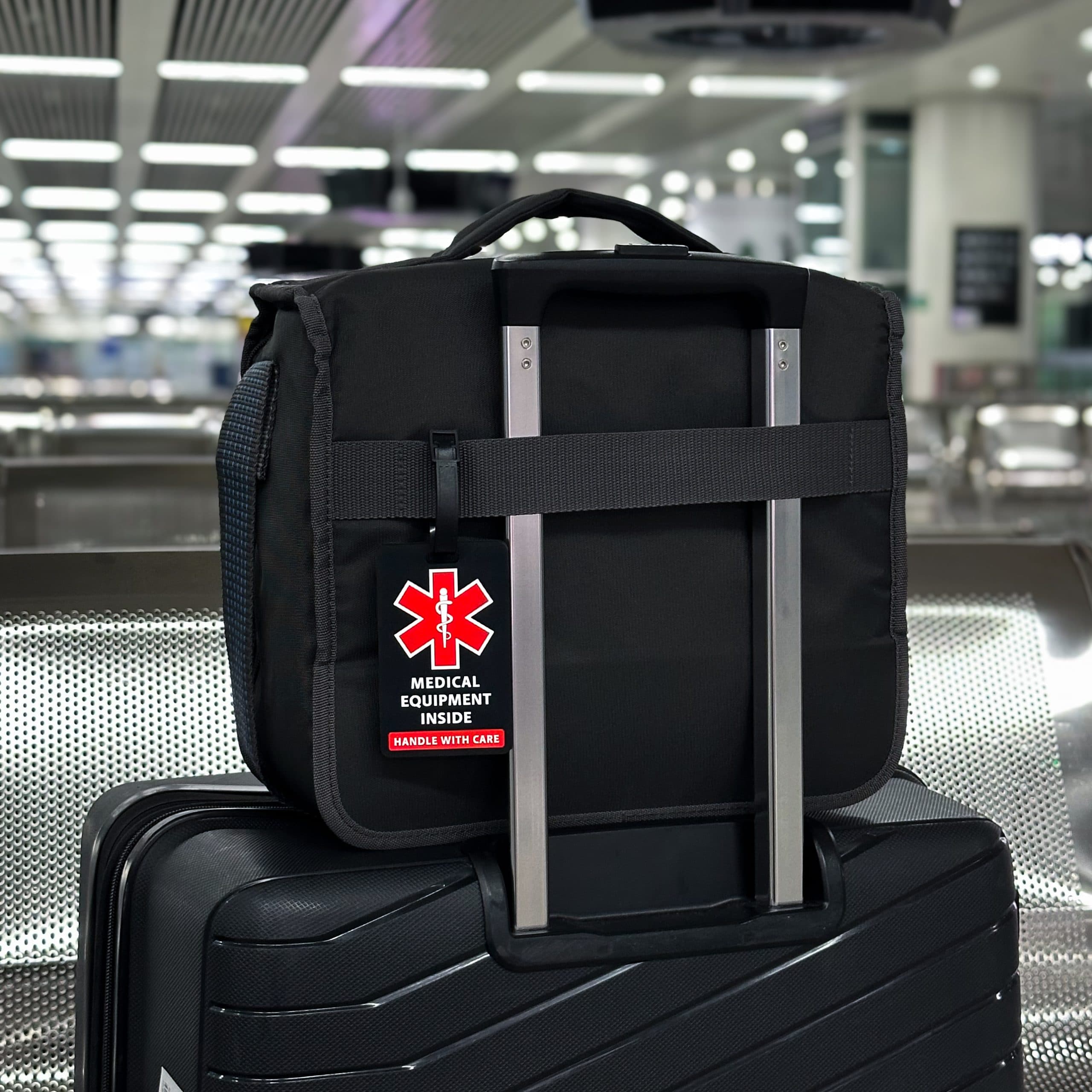
Plan your power, packing and airline checks, with a checklist you can use before you leave.
You should be able to check the advice you read. Our guides link to research and explain where the evidence is limited.
Read the mouth taping evidenceA useful distinction
Understanding how breathing works is different from proving that mouth tape improves sleep.
A 2025 systematic review found limited evidence for mouth taping and highlighted potential harm, particularly with nasal obstruction.5

Any of these can be a sign of sleep apnoea. Your GP can arrange a sleep study. See them before trying a sleep product.
Drowsy at the wheel? Pull over and rest. Trouble breathing? Call 000. Understanding your sleep study
Five questions, about two minutes. The Sleep Check points you towards a relevant guide. It doesn’t diagnose a condition, and no email is needed.
One common reason is breathing through your mouth while you sleep. In a small study, two hours of breathing only through the mouth left it almost completely dry, while nose breathing kept it moist. A blocked nose, some medicines and some health conditions can also play a part, so if it keeps happening, mention it to your GP or pharmacist.
Not always. But loud snoring with gasping or choking, pauses in breathing that someone else notices, or struggling to stay awake during the day can be signs of sleep apnoea. Raise them with your GP, who can arrange a sleep study if it’s needed.
No. Our mouth tape keeps your lips together while you sleep. We don’t claim it treats snoring or sleep apnoea, because there is no good-quality evidence that it does.
Five quick questions about where and how you sleep. It points you to habits worth trying, the guide that fits, and, only where it makes sense, a product. It doesn’t diagnose anything or score your risk, and if you tick any warning sign it sends you to your GP first.