

At a glance
- Check requirements with every operating carrier.
- Keep documents accessible without relying on airport Wi-Fi.
- Share health details only where needed for the travel arrangement.
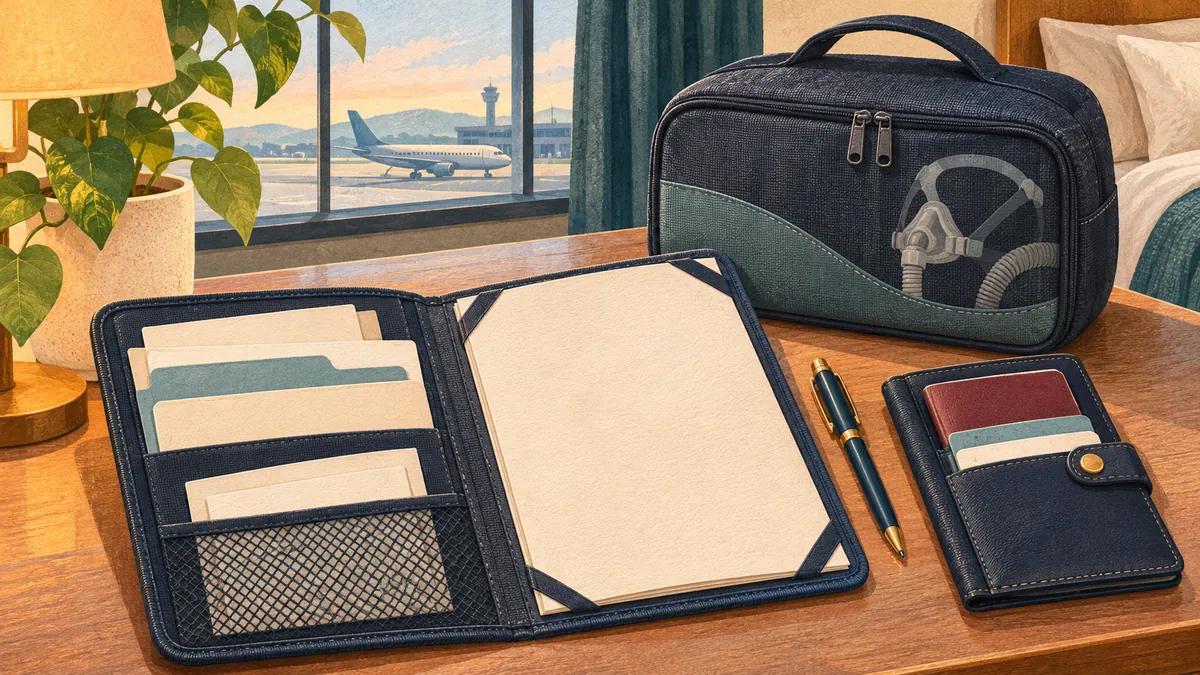
Build a small CPAP travel folder around your actual device and itinerary. Include useful prescription information, the exact model, supplier contacts and any correspondence your carrier requires. A generic internet letter is less useful than a clear record of what has been agreed for your booking.
ResMed’s Australian travel guidance (opens in a new tab) recommends considering a copy of your prescription and a travel letter. This is manufacturer preparation advice, not a promise that the same documents meet every airline or border requirement. Ask the operating carrier what it needs and by when.
What belongs in the folder?
Start with a one-page equipment summary, then attach supporting documents only as relevant. A long bundle can be harder to use at check-in than a concise page with the model and confirmation reference visible.
| Record | Useful contents | Check before travel |
|---|---|---|
| Equipment summary | Machine model, mask model and supplier contact | Match the equipment actually packed |
| Clinical information | Prescription or clinician letter where needed | Ask what the carrier or replacement supplier requires |
| Carrier correspondence | Booking reference and relevant acceptance or use confirmation | Cover each operating airline and segment |
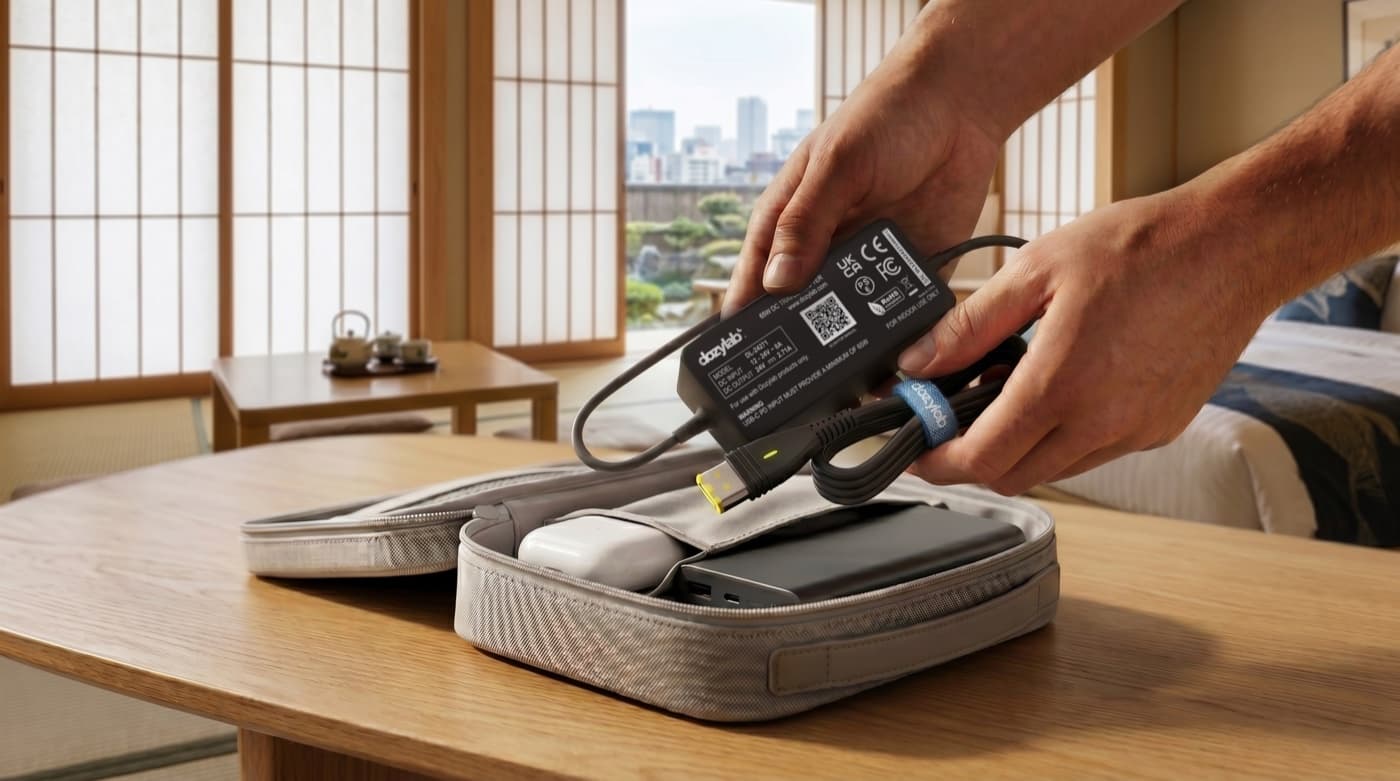
| Battery details | Model, Wh rating, specifications and any required approval | Match the label on the battery |
What should the equipment summary say?
Use plain facts: “CPAP machine: [manufacturer and exact model]. Intended use on this journey: [carriage only / in-flight use requested]. Power source: [exact supply or battery model]. Supplier: [contact].” Include dates and flight segments so the person reading it can connect it to the booking.
Record serial numbers privately for loss or replacement enquiries. They need not be printed on the outside of the bag. Add a photo of the machine label and battery label to the private folder. Do not type an assumed rating from a similar product or rewrite a manufacturer’s compliance letter as if you issued it.
Does an FAA compliance letter give airline approval?
A manufacturer compliance letter can provide device information where relevant. It does not answer every carrier’s baggage, seating, battery or in-flight-use question, and it does not replace a clinician’s assessment of fitness to travel. Ask the airline to explain what document it needs for the particular request.
For an itinerary with connections, make a row for every operating carrier rather than only the airline whose logo appears on the ticket. Our airline guide and Australian airline comparison link to the policy starting points. Check the live pages close to departure.
How should I save and share the records?
Keep a readable offline copy on your phone and consider a short printed copy for essential confirmations. Test that attachments open without an internet connection. Protect the phone and avoid putting unneeded medical details in a publicly shared travel document.
Give a travelling companion access to relevant contacts if you want their help, but do not make your only copy dependent on someone else’s phone. If you send documents to a carrier, use its official process and retain the submitted version and response.
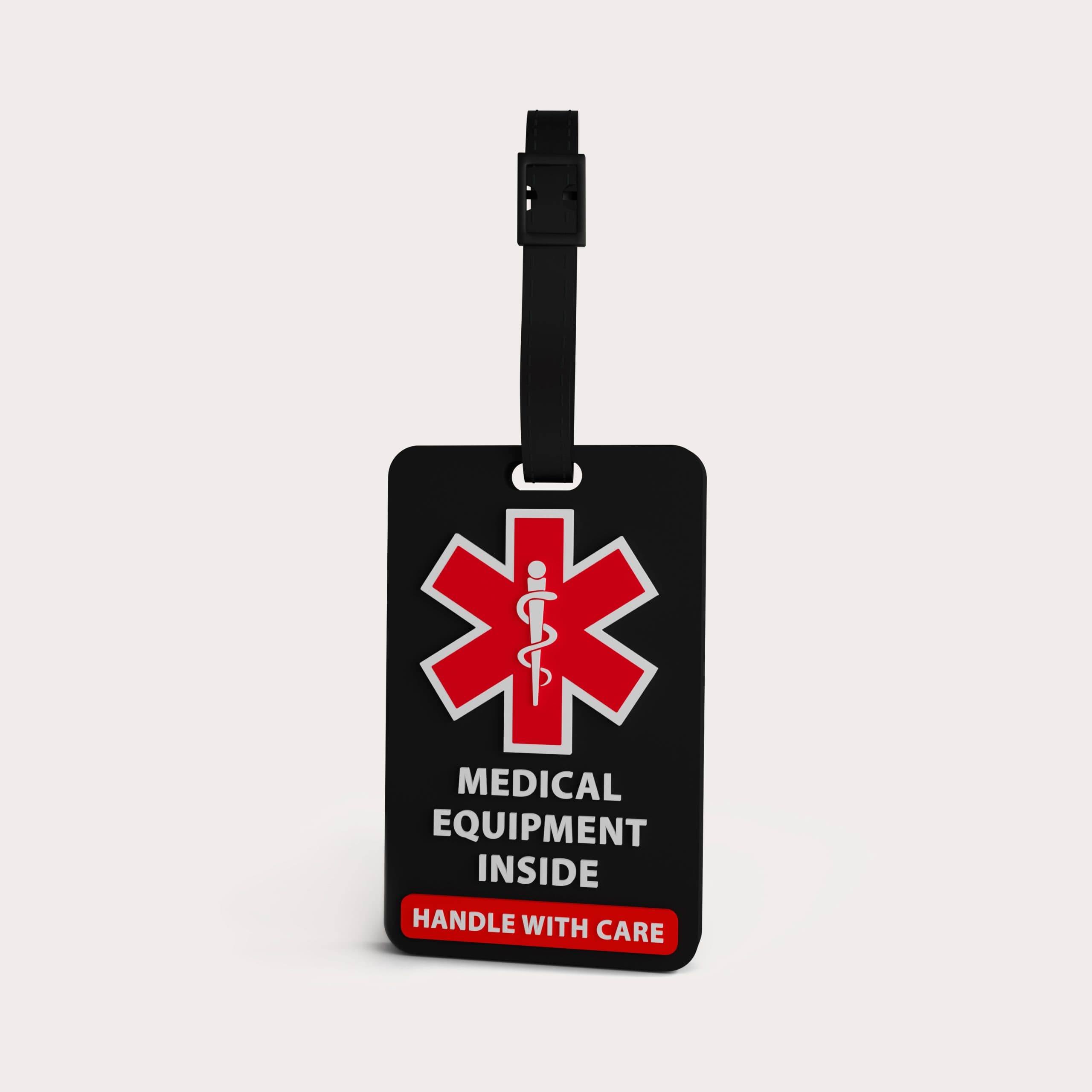
From the Dozylab shop
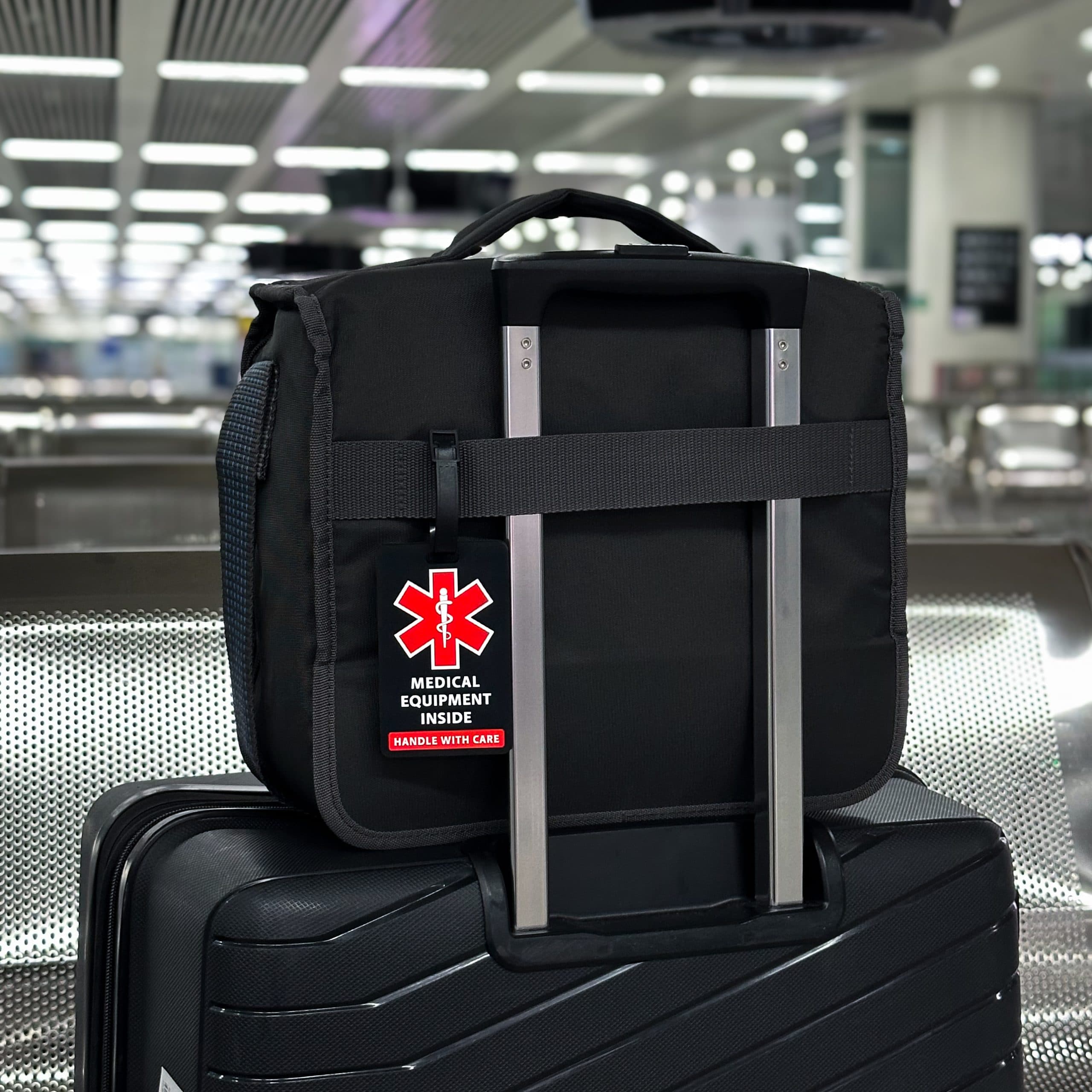
Identify the bag without displaying your history
A medical-equipment label describes the contents. Keep prescriptions and personal health details inside your private travel folder.
View the Medical ID Luggage Tag, $13.90
What should I check again before leaving?
Confirm that the device, battery and itinerary have not changed since the carrier responded. A substitute battery or a rebooked flight may require a fresh enquiry. CASA’s battery guidance (opens in a new tab) is a separate reference for transport precautions; electrical compatibility and airline acceptance remain distinct checks.
Use our packing checklist to connect the paperwork to the physical kit. A folder is successful when it helps you answer a specific question quickly, not when it implies an exemption from screening or an automatic extra baggage entitlement.
Frequently asked questions
Is a doctor’s letter always required to carry CPAP?
Requirements vary. Ask the operating carrier what it needs for carriage and for any in-flight use; those are separate arrangements.
Should I print my diagnosis on my luggage tag?
You generally do not need to display detailed health information to identify an equipment bag. Keep required documents privately accessible.
Sources
Sources consulted 15 November 2026. This is an editorial research date, not a clinical review. Policies, device instructions and evidence can change; check current guidance for your circumstances.
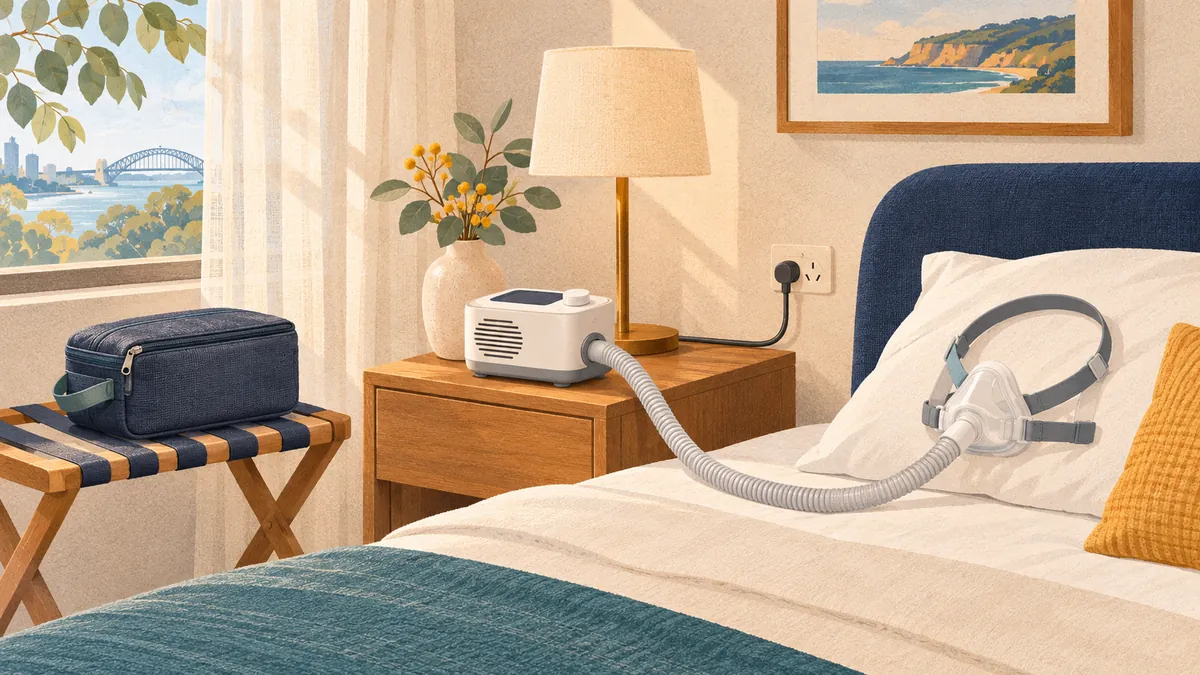
The cover is an original editorial illustration. Equipment is illustrative; the image is not evidence of product testing or a patient outcome.
- ResMed Australia: travelling with your therapy machine (opens in a new tab): Travel documents, emptying the humidifier and wireless mode.
- ResMed: travelling with CPAP equipment (opens in a new tab): Manufacturer travel preparation and equipment questions; carrier rules require separate confirmation.
- CASA Pack Right: lithium batteries (opens in a new tab): Battery labelling arithmetic, terminal protection and cabin packing. Check current airline restrictions.
General information, not medical advice. Airline, cruise line and security rules change, so check the current policy before you travel, and talk to your doctor or sleep clinic about your own therapy.
About the author
Ryan
Co-founder, Dozylab
Ryan co-founded Dozylab with Benjamin. He lives with severe sleep apnoea, travels with his own CPAP, and writes our travel guides from the official airline, cruise line and regulator sources linked in each one.
Our story