

At a glance
- Symptoms can return when treatment is interrupted; timing varies.
- A tested battery setup needs reserve capacity, not a generic full-night promise.
- Contact the airline early about equipment and any in-flight use.
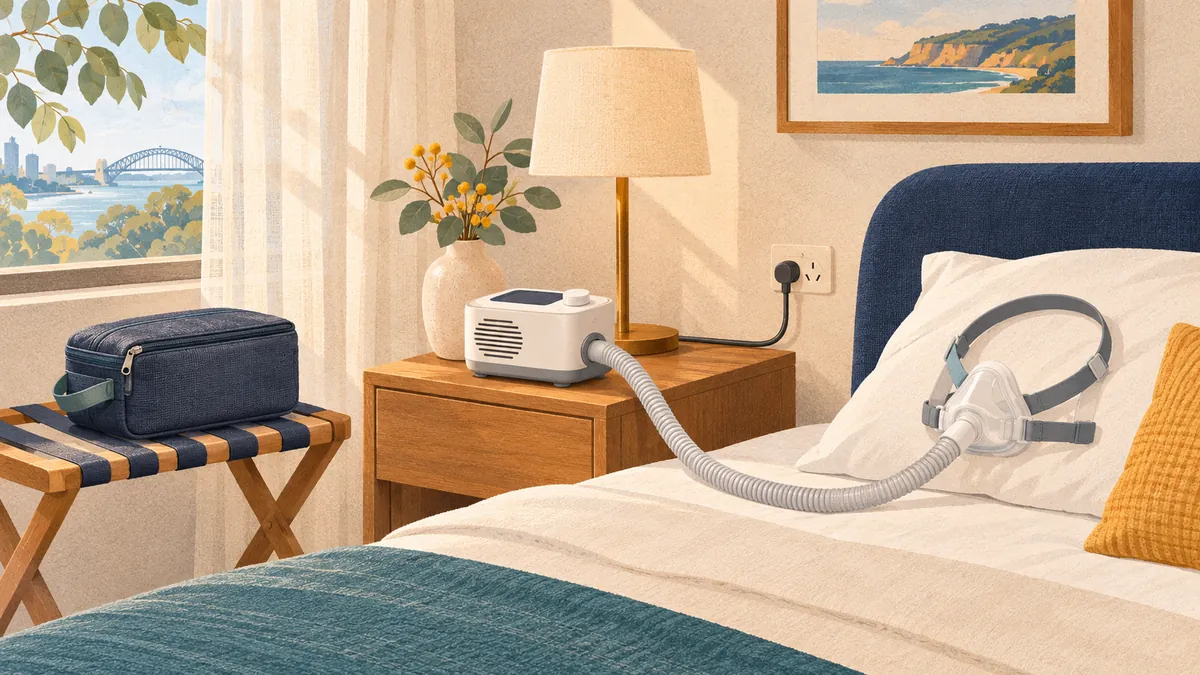
Holidays are about rest and relaxation — but for those with sleep apnoea, skipping your CPAP therapy can undo all the good your trip is meant to bring.
Why consistency matters
CPAP (Continuous Positive Airway Pressure) therapy works best when it's used every night. Skipping even a few days can lead to a return of symptoms: fatigue, poor sleep quality, headaches, difficulty concentrating, and the kind of irritability that isn't ideal when you're trying to enjoy a holiday.
Symptoms can return if prescribed treatment is interrupted, but timing and severity vary. Follow your clinician’s plan and discuss any problems that make travel therapy difficult. Do not rely on feeling well for one morning as proof that treatment is unnecessary.
Bringing your CPAP and using it consistently isn't about rigid adherence to a routine — it's about arriving at each day of your trip actually rested.
Common reasons people skip CPAP on holiday — and what to do instead
"It's too bulky to bring"
If you're using a full-size home machine like the AirSense 11, the size is real but manageable — it's about the size of a thick hardback book. If the size genuinely bothers you, a dedicated travel machine like the ResMed AirMini is significantly smaller. Check your operating airline’s medical-equipment allowance and conditions; an extra bag is not automatic.
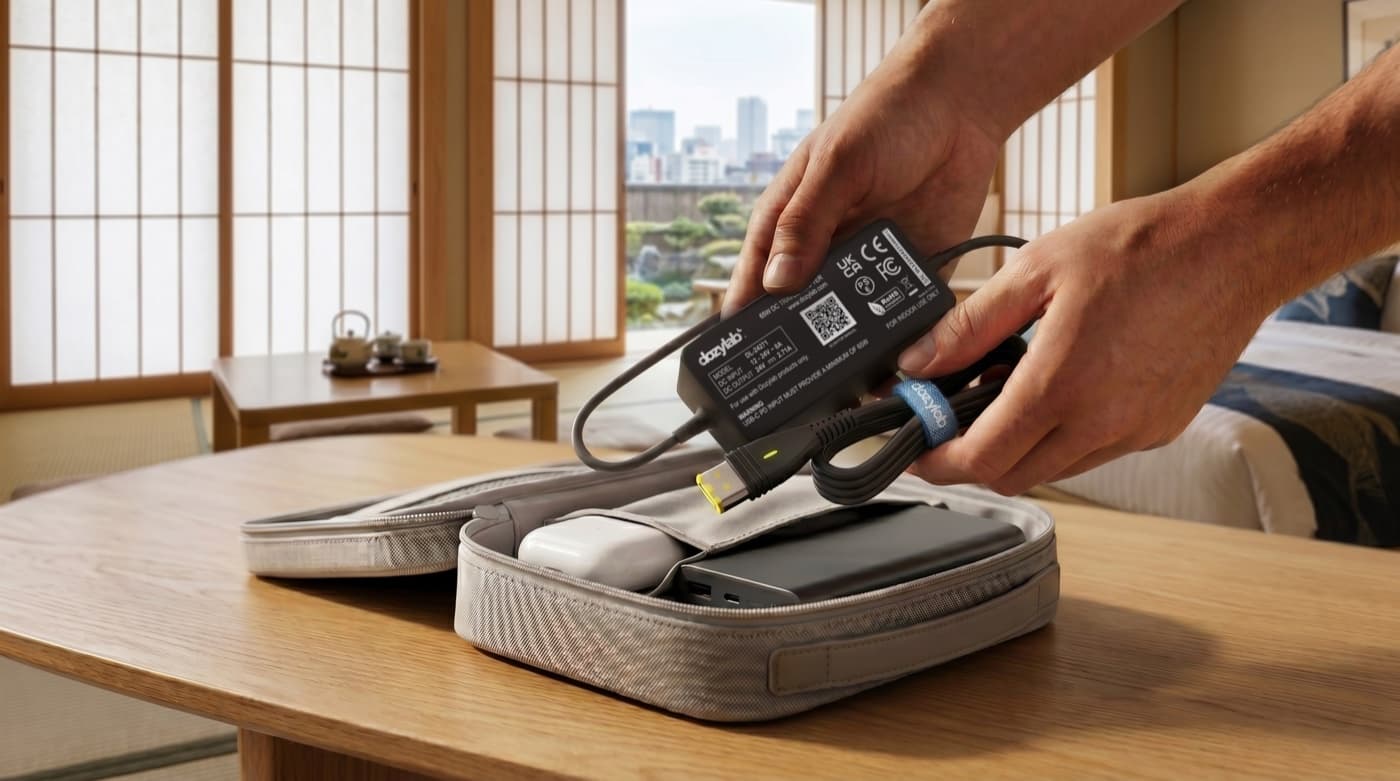
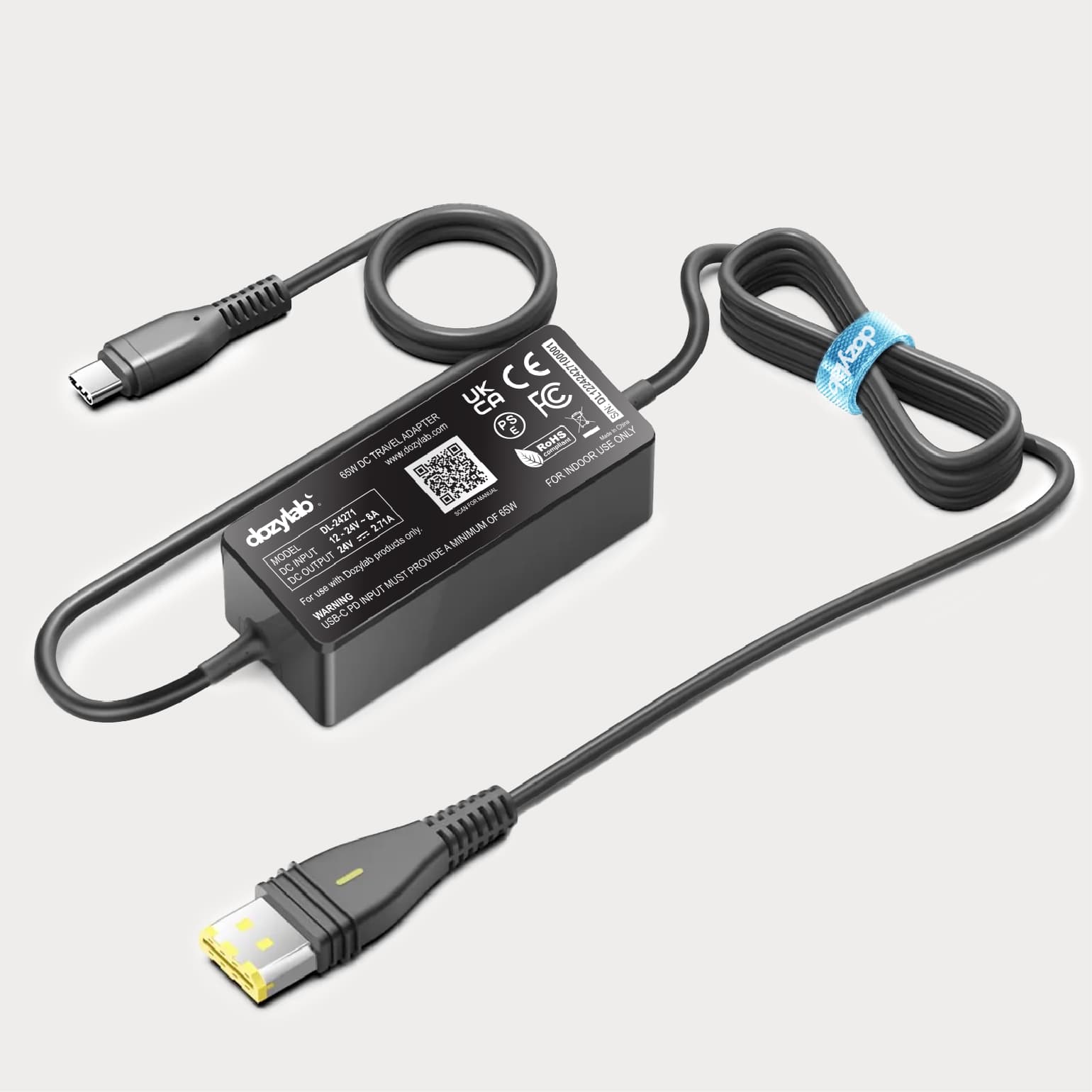
Swapping the bulky power supply for the Dozylab USB-C Travel Cable can be an alternative power arrangement for the stated compatible devices when paired with a suitable source and tested before travel.
"I'm camping or off-grid"
Off-grid therapy needs a compatible source with tested runtime and reserve for your complete setup. A 100–160Wh bank is not an overnight guarantee or an automatic flight allowance. Ask your clinician about comfort settings and your airline about the exact battery if flying.
"It's hard to clean while travelling"
Follow the cleaning instructions for your exact mask, tubing and chamber. Wipes can suit some components, but are not a substitute for every washing step. ResMed’s cleaning guidance (opens in a new tab) distinguishes foam cushions from other mask parts.
"I just want a break from the routine"
If wearing the mask or maintaining treatment is difficult, speak with your sleep clinic before the trip. They can help with comfort, fit and a practical plan. Do not stop or alter prescribed therapy based on a travel-accessory article.
Travel tips that make CPAP easier
- Pack a power extension lead — hotel outlets are often not next to the bed, and a short lead means you're not choosing between your machine and the bedside lamp.
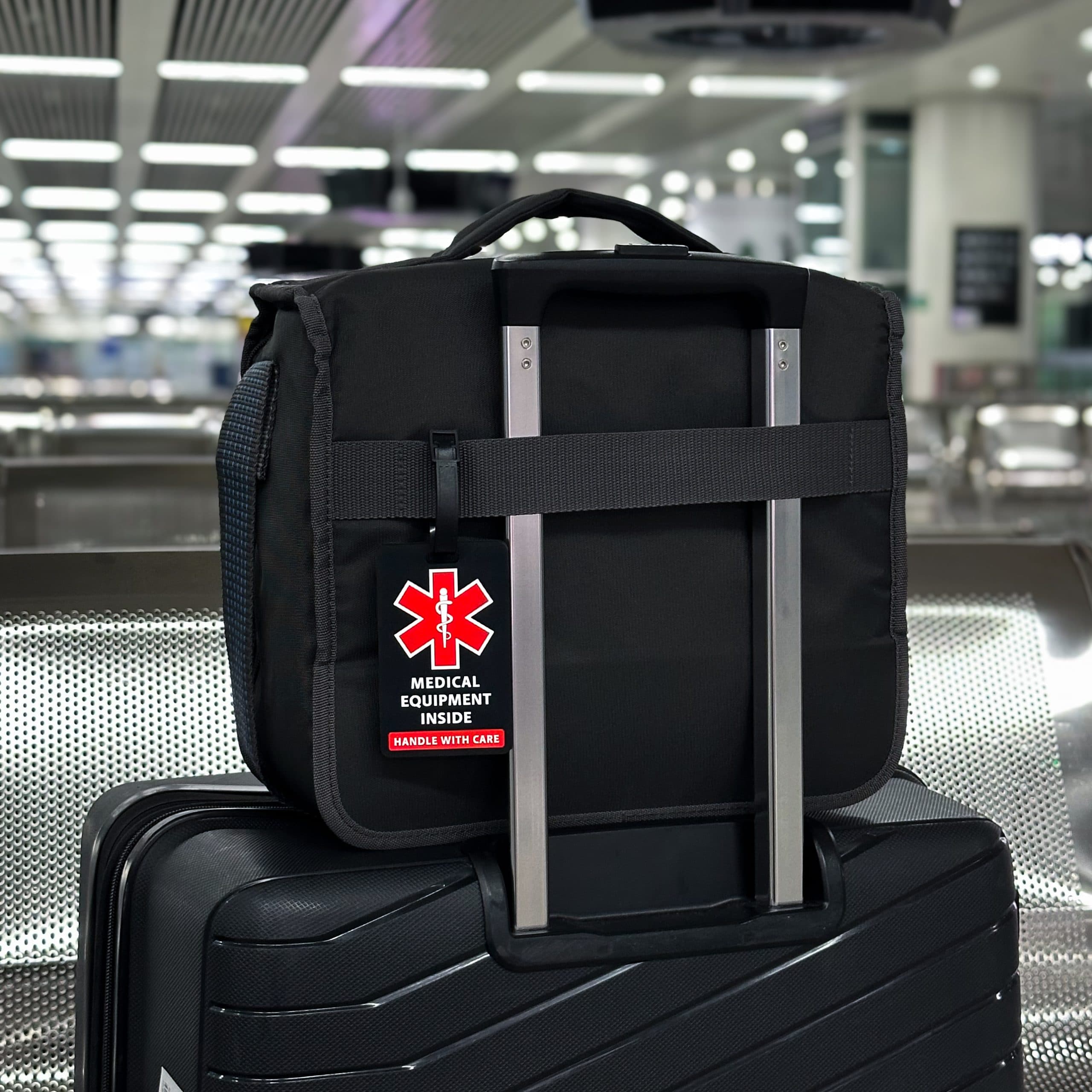
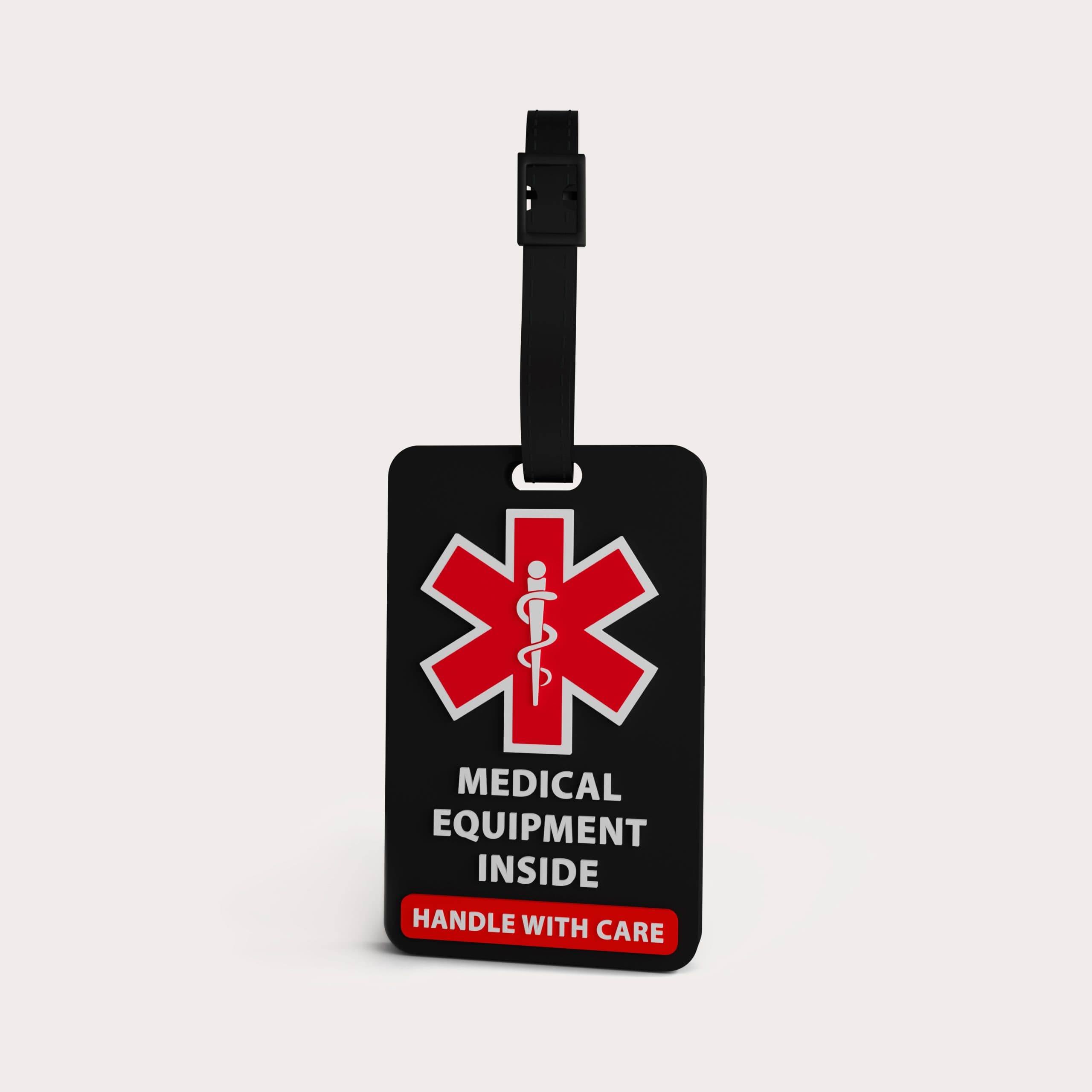
- Use a medical ID tag on your CPAP bag — it communicates clearly to airport staff and baggage handlers that the bag contains medical equipment.
- Bring a printed copy of your prescription or a physician's letter — useful at international security checkpoints and for airline medical equipment queries.
- Build a dedicated CPAP travel kit — one pouch containing the cable, wipes, spare filter, mask cushion and any adapters. It lives in your bag between trips and is ready to go when you are.
- Contact your airline well ahead of departure; notice requirements vary to confirm your CPAP is noted on your booking as medical equipment.
The bottom line
Bringing your CPAP on holiday isn't just possible — it's the version of travel where you actually feel good the whole time. With a sensible power setup and a small amount of planning, your therapy can be genuinely low-friction on the road. And waking up properly rested in a city you've always wanted to visit is a significantly better experience than being half-present because you skipped therapy for three nights.
Need help choosing the right travel accessories? Explore our CPAP travel range.
Source: healthdirect: obstructive sleep apnoea and treatment (opens in a new tab).
General information, not medical advice. Airline, cruise line and security rules change, so check the current policy before you travel, and talk to your doctor or sleep clinic about your own therapy.
About the author
Dozylab
Founded by CPAP users Benjamin and Ryan
Dozylab was started by Benjamin and Ryan, two Australians who live with sleep apnoea and travel with CPAP. We design, test and use our own gear on our own trips, and we write up what we learn.
Our story