Getting a sleep apnoea diagnosis can feel unsettling — especially when it comes with a prescription for a machine you have to wear on your face every night. It's a lot to process. But the more you understand about what's actually happening and why the treatment works, the less daunting it becomes.
This is a plain-English guide for people who've just been diagnosed, or who are in the process of finding out if sleep apnoea is the cause of how they've been feeling.
What Sleep Apnoea Actually Is
During sleep, the muscles in your throat relax. For most people, this doesn't cause any problems — the airway stays open, breathing continues normally. For people with obstructive sleep apnoea (OSA), the throat muscles relax enough that the airway collapses partially or completely, blocking airflow.
When your airway blocks, your blood oxygen level drops. Your brain detects this and briefly rouses you — just enough to tighten the throat muscles and reopen the airway. You take a breath (often with a gasp or snort), and then fall back asleep. The whole cycle takes 10–30 seconds, and you almost never remember it happening.
The catch: this can happen dozens or hundreds of times a night. Each arousal is too brief to register as waking up, but collectively they prevent you from reaching the deep, restorative stages of sleep. The result is chronic sleep deprivation even when you spend eight hours in bed — and all the downstream consequences that brings.
Types of Sleep Apnoea
- Obstructive sleep apnoea (OSA): The most common type. The airway physically collapses due to soft tissue obstruction — the tongue, soft palate, and surrounding tissue block the throat.
- Central sleep apnoea (CSA): Less common. The airway doesn't collapse, but the brain fails to send the correct signals to the breathing muscles. Often associated with heart conditions or certain medications.
- Mixed (complex) sleep apnoea: A combination of both.
Most people are diagnosed with OSA. The treatment options differ slightly between types, but CPAP therapy is the first-line treatment for all forms.
Symptoms: What It Actually Feels Like
The frustrating thing about sleep apnoea is that the symptoms don't feel like "sleep problems" — they feel like ordinary life. Common symptoms include:
- Persistent daytime fatigue, regardless of how long you sleep
- Waking with headaches, particularly in the morning
- Difficulty concentrating or remembering things ("brain fog")
- Irritability or mood changes
- Snoring loudly, or being told you stop breathing during sleep
- Waking up with a dry mouth or sore throat
- Needing to urinate during the night (nocturia)
Many people live with these symptoms for years — attributing them to stress, age, a busy lifestyle — before a partner notices the breathing pattern or a doctor connects the dots. Diagnosis often comes as a relief because it explains so much.
Diagnosis: The Sleep Study
Sleep apnoea is diagnosed through a sleep study (polysomnography). This can take place either in a sleep clinic (where you spend a night in a monitored room) or at home using a portable monitoring device. The study measures your breathing, oxygen levels, sleep stages and the number of breathing interruptions per hour (the Apnoea-Hypopnoea Index, or AHI).
An AHI below 5 is normal. 5–15 is mild sleep apnoea, 15–30 is moderate, and above 30 is severe. Treatment is generally recommended from mild upward, depending on symptoms and associated conditions.
Treatment: How CPAP Works
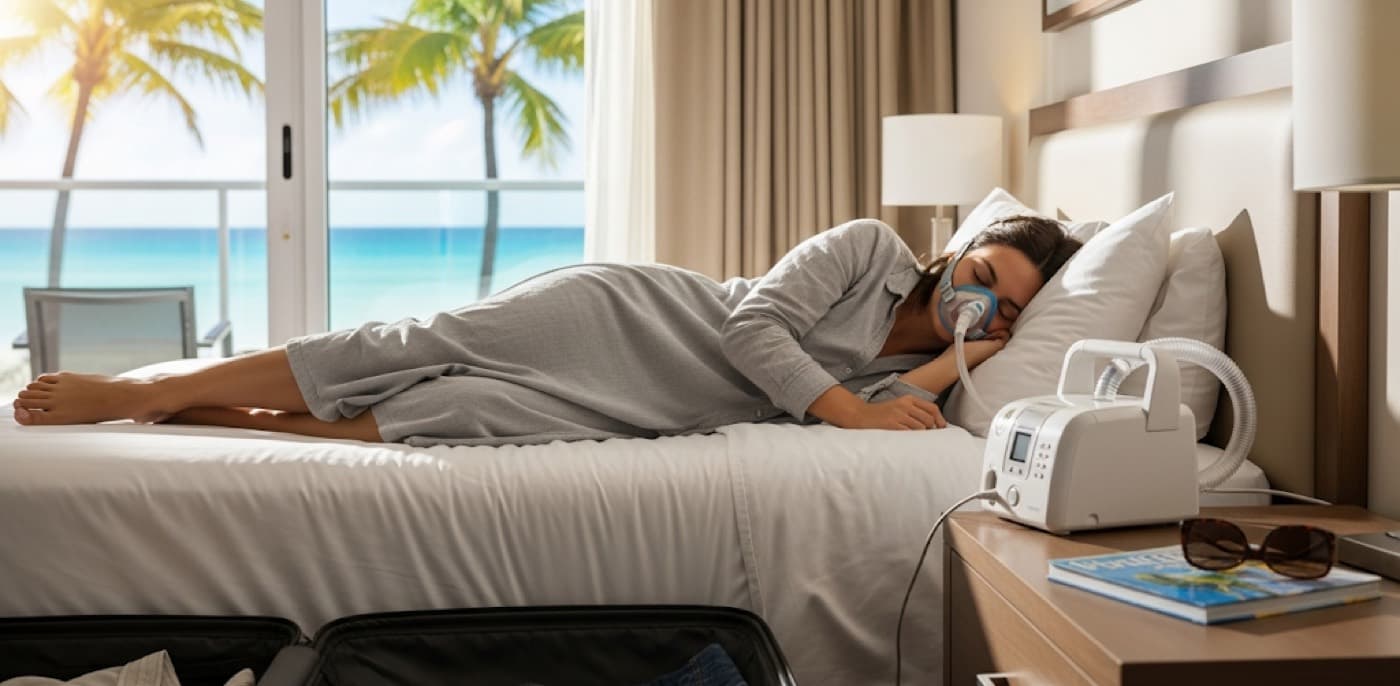
CPAP (Continuous Positive Airway Pressure) therapy works by delivering a gentle, continuous stream of pressurised air through a mask. This air acts as a pneumatic splint, keeping the airway open and preventing the collapse that causes apnoea events.
The machine is prescribed at a specific pressure level — or for APAP (auto-adjusting CPAP) machines, within a range — determined by your sleep study results. The pressure is typically low enough to be comfortable; most people adjust to it within a few weeks.
The First Few Weeks
It's worth being honest: the first few weeks of CPAP can be difficult. Wearing something on your face is strange. The sound of the machine takes getting used to. Some people experience mask discomfort, difficulty exhaling against the pressure, or dry mouth.
Most of these issues are solvable. Mask fit makes an enormous difference — a mask that works for one person may not suit another, and trialling different styles (nasal pillow, nasal mask, full-face mask) is normal. Your sleep clinic or respiratory therapist should be the first port of call for troubleshooting.
The reason it's worth persisting: most people who stick with CPAP therapy past the first few weeks report significant improvements in energy, mood, concentration and quality of life. The transformation can be dramatic. People who've been chronically fatigued for years describe finally feeling awake as genuinely life-changing.
Living and Travelling with CPAP
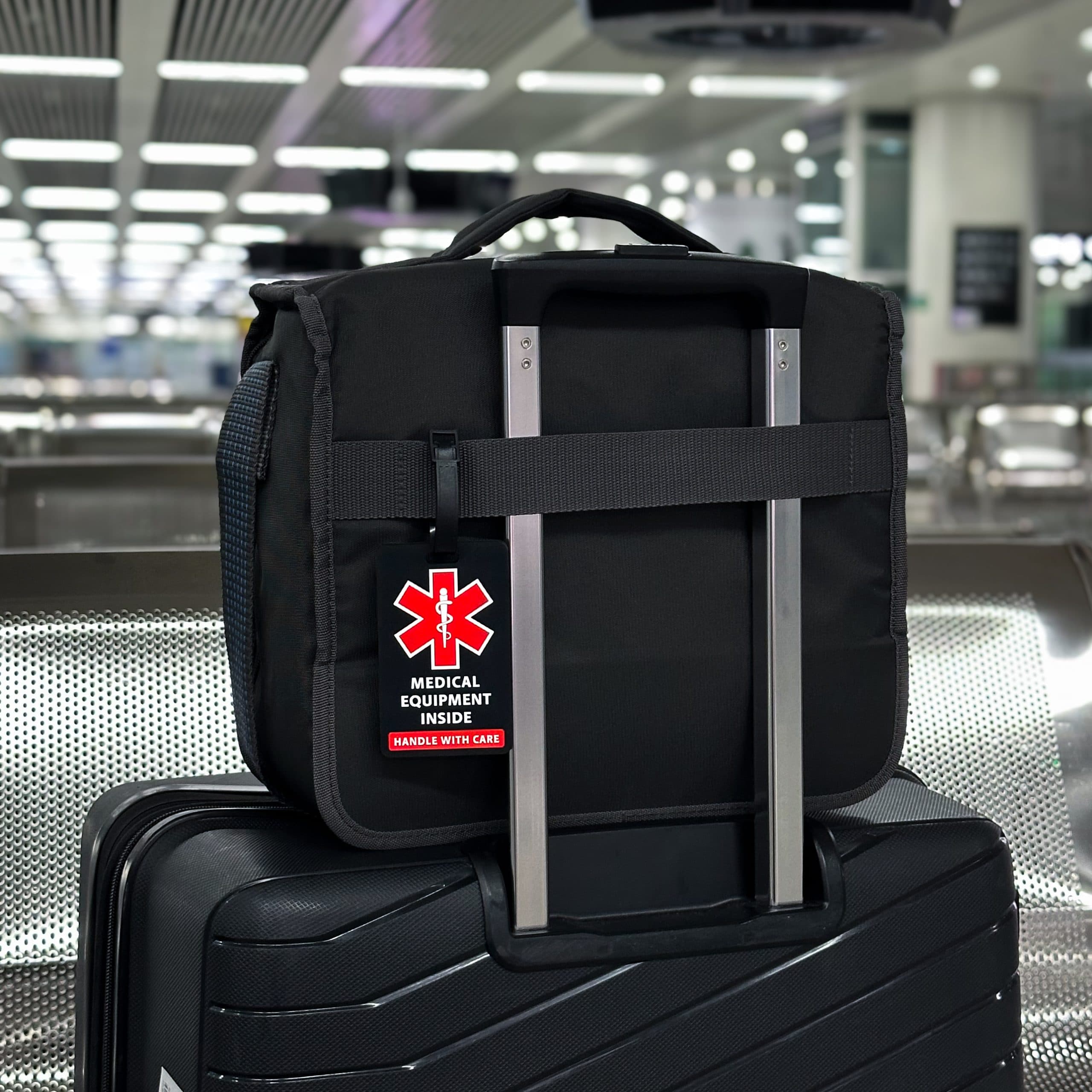
Once you're used to CPAP, the biggest practical question is usually: how do I manage this when I travel? The honest answer is that with the right setup, it's not as complicated as it first seems.
Modern CPAP machines are compact, lightweight, and designed to run on universal voltage. Travel-specific accessories — like the Dozylab USB-C Travel Cable for powering from a USB-C PD power bank — make it practical to use your CPAP in hotels, on overnight flights, at campsites, and anywhere else you sleep.
Sleep apnoea is a chronic condition, which means it's a permanent part of your life — but it's also one that responds extremely well to consistent treatment. The goal isn't to manage around it; it's to treat it so well that it stops holding you back.