Loading…
Free shipping on all orders within Australia

Your cart is empty
Reviewed by The Dozylab team
In short
The evidence is limited. A 2025 systematic review found ten small studies using varied mouth-closure methods, all rated poor quality.5 The review also raised concerns about harm, particularly with nasal obstruction. Mouth tape isn’t a treatment for snoring or sleep apnoea.

A 2025 systematic review found ten small studies using varied mouth-closure methods, and rated all of them poor quality.5 Understanding breathing physiology does not, on its own, prove a benefit from tape.
The review included tape and other mouth-closure methods, including chin straps. Study methods varied. It is not a trial of Dozylab products.
These findings do not establish a general sleep-health benefit. Studies often excluded people with nasal obstruction, so they cannot establish safety for that group.5

Never tape over a blocked nose.5 Loud snoring with gasping, pauses or daytime sleepiness? Those symptoms need assessment. See your GP first

Breathing comfortably through your nose while awake cannot establish that mouth taping will be safe during sleep. A timer or online questionnaire cannot make that decision for you.
If nasal breathing feels restricted, leave the tape off and ask your GP or pharmacist about the cause. If you use CPAP, discuss any addition to your therapy with your sleep clinician.
Read about mouth breathing and dry mouthGeneral adhesive care
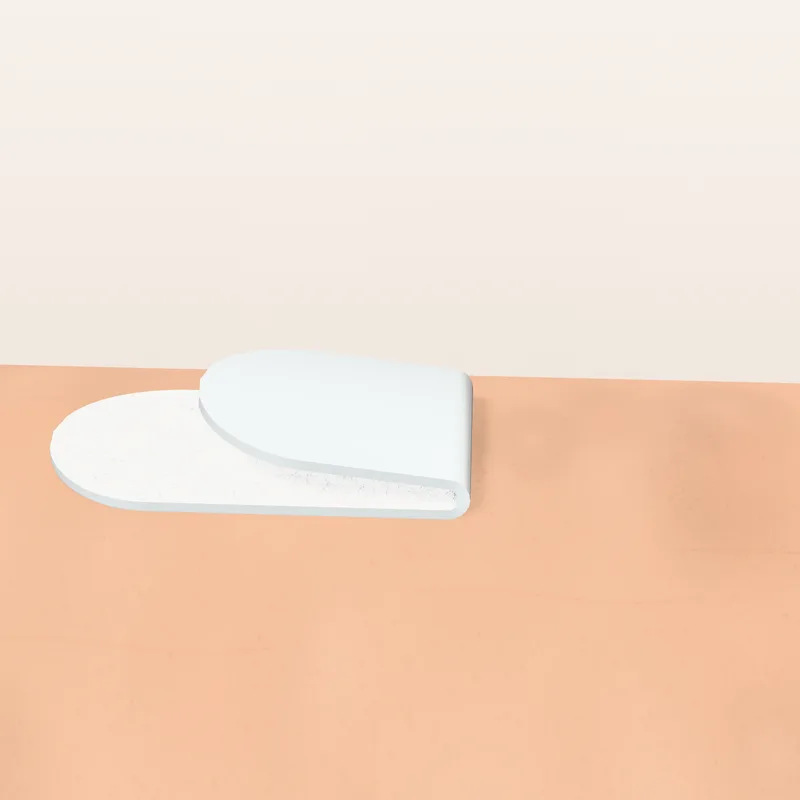
Follow the directions for the specific product. Stop if skin becomes irritated. When removing an adhesive, support the skin and peel slowly back along it rather than pulling sharply away.6
The animation illustrates removal direction. It is not a clinical test, product trial or proof of overnight safety.
Our mouth tape and nose tape pages are product previews. Read the current design and suitability information, and join the waitlist if you’d like launch updates.
Any of these can be a sign of sleep apnoea. Your GP can arrange a sleep study. See them before trying a sleep product.
Drowsy at the wheel? Pull over and rest. Trouble breathing? Call 000. Understanding your sleep study
Nobody knows yet. A 2025 systematic review found ten small studies of mouth taping, all rated poor quality, and most found no significant difference. What is well established is how your nose filters, warms and humidifies the air you breathe.
Not for everyone. Never tape over a blocked nose: the same review warned of serious risk when the nose is blocked. Don’t use it after alcohol or sedatives, or on a child. If you have asthma, COPD or another breathing condition, ask your doctor first. Stop if your skin gets irritated.
We don’t claim it does. Mouth tape keeps your lips together while you sleep. It is not a treatment for snoring or sleep apnoea. Loud, regular snoring, gasping or choking during sleep, or daytime exhaustion can be signs of sleep apnoea, so please speak to your GP.
Talk to your sleep physician before adding anything to your therapy. If you use a nasal mask or nasal pillows, they can advise whether mouth tape or a chin strap suits you. A full face mask already covers your mouth, so tape isn’t needed.
Lift one corner and peel slowly, keeping the strip low and close to your skin. Labs test adhesives by peeling them at set angles, and low and slow is kinder to skin than fast and steep. If your skin is sensitive, test a small piece on your inner forearm first.